In this chapter:
- Signs
-Regulatory signs
-School, playground and crosswalk signs
-Lane use signs
-Turn control signs
-Parking signs
-Reserved lane signs
-Warning signs
-Object markers
-Construction signs
-Information and destination signs
-Railway signs - Signals
-Lane control signals
-Traffic lights - Road markings
-Yellow lines
-White lines
-Reserved lane markings
-Other markings
In chapter 2, you and your vehicle, you learned about some of the controls in your vehicle. This chapter is a handy reference section that gives examples of the most common signs, signals and road markings that keep traffic organized and flowing smoothly.
Signs
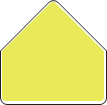
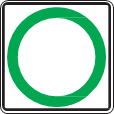
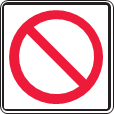
There are three ways to read signs: by their shape, color and the messages printed on them. Understanding these three ways of classifying signs will help you figure out the meaning of signs that are new to you.
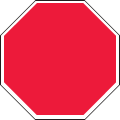
Stop
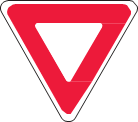
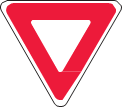
Yield the right-of-way
Shows driving regulations
Explains lane use
School zone signs are fluorescent yellow-green
Tells about motorist services
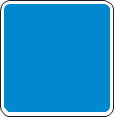
Shows a permitted action
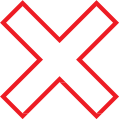
Shows an action that is not permitted
Warns of hazards ahead
Warns of construction zones
Railway crossing
Shows distance and direction

Regulatory signs
These signs tell you about driving laws and regulations. It is an offence under the B.C. Motor Vehicle Act to disregard them. Drivers who do not follow the instructions on these signs may receive penalties.
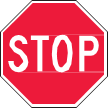
Stop completely — continue only when safe
Give the right-of-way to other vehicles and crossing pedestrians
The maximum legal speed when the road is bare and dry and visibility is good.

Indicates a lower speed limit ahead

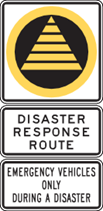
Stay off this road during major disasters – road may be used only by emergency vehicles
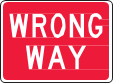
Do not go this way – usually mounted on exit ramps
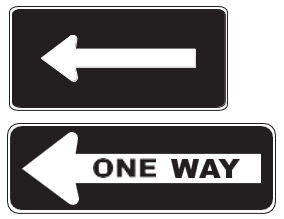
One way — gives direction of traffic on cross street
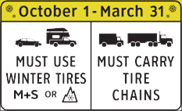
Winter tires or chains must be used when sign is displayed
Do not enter

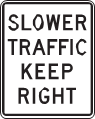
Move into right lane if driving slower than regular traffic
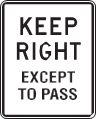
Keep right unless passing
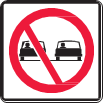
Do not pass
Two-way traffic — keep right unless passing
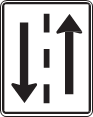
Passing lane ahead
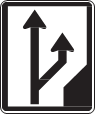
Keep right of the divider
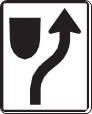
No stopping between here and the next no-stopping sign

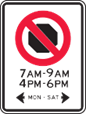
No stopping during posted times between here and the next sign
No bicycle riding beyond this point

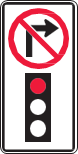
No right turn on red light
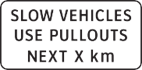
Slow vehicles to use pullouts for the next stated distance
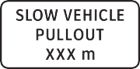
Slow vehicle pullout stated meters ahead
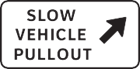
Slow vehicle pullout
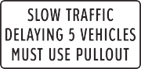
Slow traffic delaying 5 vehicles must use pullout
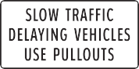
Slow traffic delaying vehicles use pullouts
School, playground and crosswalk signs
These signs tell you the rules to follow in areas where you need to be extra cautious.
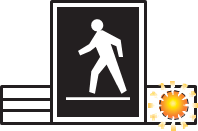
Pedestrian activated crosswalk — prepare to stop if the light is flashing
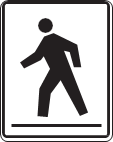
Pedestrian crosswalk — yield to people crossing
School crosswalk — yield to pedestrians — if there is a crossing guard, follow directions
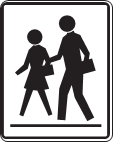
School zone — reduce speed when children are present

Playground nearby be prepared to slow down
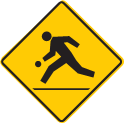
Playground zone — 30 km/h limit is in effect every day from dawn to dusk
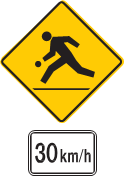
School zone — 50 km/h limit is in effect from 8 a.m. to 5 p.m. on school days when children are on the roadway or shoulder
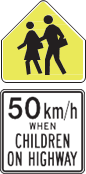
School zone — if the tab underneath only indicates the speed limit, that limit is in effect from 8 a.m. to 5 p.m. on school days
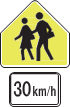
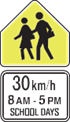
School zone — the tab underneath indicates the speed limit and the hours that it is in effect (in this case, the 30 km/h limit is in effect from 8 a.m. to 5 p.m. on school days)
Lane use signs
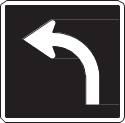
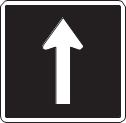
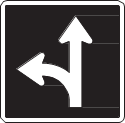
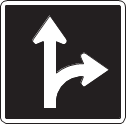
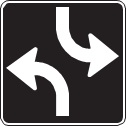
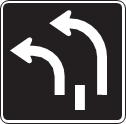
Signs showing which lanes may be used to turn or go straight are mounted above the lane or at the side of the lane before the intersection. If you are in a designated lane, you must follow the direction indicated by the arrows. You may not move into or out of a designated lane while you are in an intersection.
Turn left only
Continue straight only
Go through or turn left
Go through or turn right
Vehicles from both directions must turn left, no through traffic allowed
Vehicles in both these lanes must turn left
Turn control signs
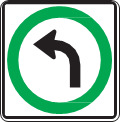
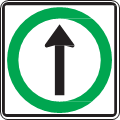
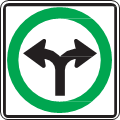
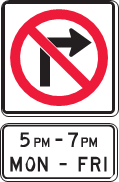
Turn control signs are mounted directly above the intersection. You must follow the direction of the arrow.
Left turn only
Go straight only — no turns
Turn right or left only
No right turns during posted times
Parking signs
Parking signs let you know where and when you are allowed to park. You may receive fines or your vehicle may be towed (or both) if you park illegally.
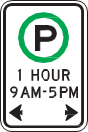
Time-limited parking during posted times
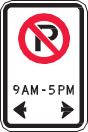
Do not park here

Parking is not allowed during posted times
Parking only for vehicles displaying the disabled parking sign and carrying a person with disabilities

Reserved lane signs
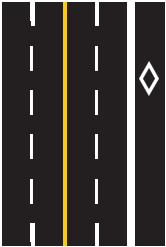
A white diamond painted on the road surface marks reserved lanes. Reserved lane signs are also placed over or beside lanes that are reserved for certain vehicles such as buses or high occupancy vehicles (HOVs). Other HOV signs may give additional information on who may use the HOV lane.
Only buses in this lane

Only buses and HOVs in this lane — may show how many people must be in the HOV
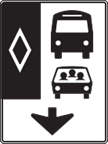
Curb lane of cross street ahead is a reserved lane

Warning signs
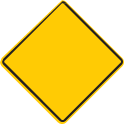
Most warning signs are yellow and diamond‑shaped. They warn of possible hazards ahead.
Winding road ahead

Hidden side road ahead
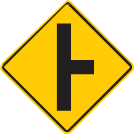
Sharp curve ahead — slow to advisory speed shown
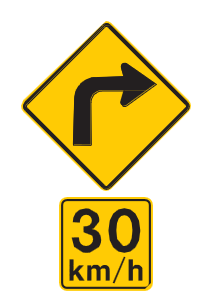
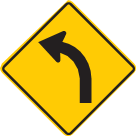
Curve ahead — slow down
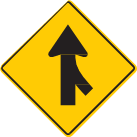
Merging traffic ahead
Road merges with another road — added lane to the right ahead
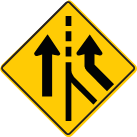
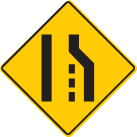
Right lane ends ahead
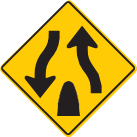
Divided highway ends ahead — keep right
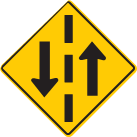
Two-way traffic ahead
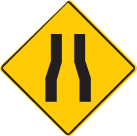
Road narrows ahead
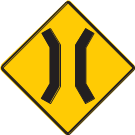
Narrow structure ahead – often a bridge
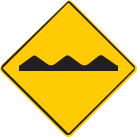
Bump or rough road ahead
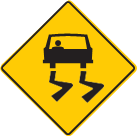
Road may be slippery ahead
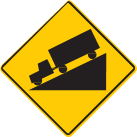
Steep hill ahead — slow down
Stop sign ahead

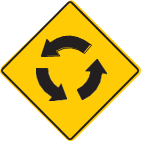
Roundabout ahead
Signal lights ahead
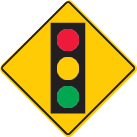
Signal lights ahead — prepare to stop when lights are flashing

Pedestrian crosswalk ahead
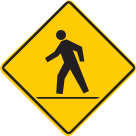
School crosswalk ahead – this sign is fluorescent yellow-green
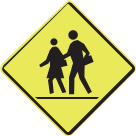
School bus stop ahead

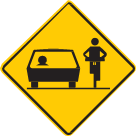
Cyclists may be on roadway
Fire truck entrance ahead

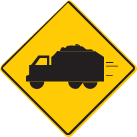
Truck crossing ahead
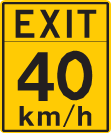
Highway or freeway exit — slow to advisory speed shown
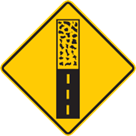
Pavement ends ahead
Hazard or danger ahead – turn right or left
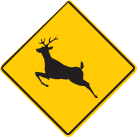
Watch for deer ahead
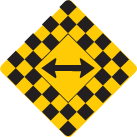
Opening bridge ahead

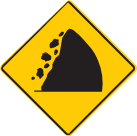
Watch for rocks on the road ahead
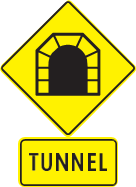
Tunnel ahead
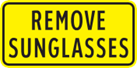
Remove sunglasses
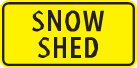
Snow shed ahead
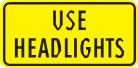
Use headlights ahead
Object markers
Pay special attention to object markers — they are mounted on obstructions.
Obstruction — keep right or left

Obstruction — keep right

Obstruction — keep left

Construction signs
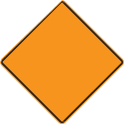
These signs warn of construction and maintenance work. You must pay attention to the warnings and obey the instructions on these signs. Obey traffic‑control persons, travel within the posted speed, stay well back from all equipment and pass only when it is safe.
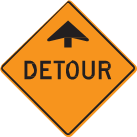
Detour ahead
Soft shoulder ahead — stay off

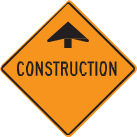
Construction ahead
Traffic-control person ahead

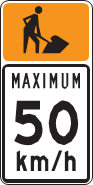
Crew working – obey posted speed limit
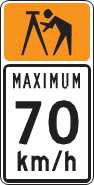
Survey crew — obey posted speed limit
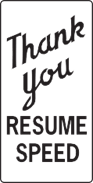
End of construction zone speed limit
Follow the lighted arrow

Fine notice for speeding in a work zone

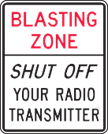
Blasting ahead – follow instructions on sign
Information and destination signs
These signs give information about destinations, route numbers and facilities. Here are a few samples.
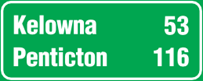
Destination sign — distances are in kilometers
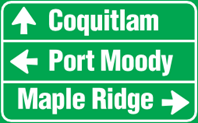
Directional sign
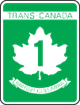
Trans-Canada Highway route marker
Primary highway marker sign

Hospital nearby

Gas available ahead

Accommodation ahead

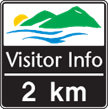
Travel information ahead
Railway signs
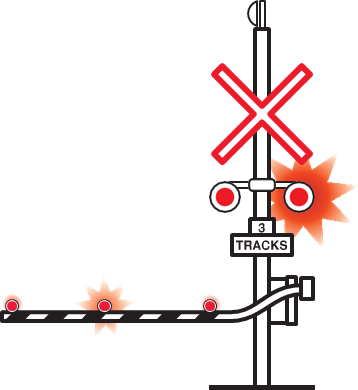
Public railway and highway crossings are indicated with signs or pavement markings and may also have mechanical or electrical warning devices for your protection. Watch for them and remember you must always yield to trains.
Railway crossing ahead – be prepared to stop
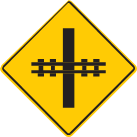
Railway crossing on side road ahead — be prepared to stop
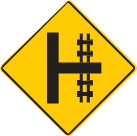
Railway crossing — stop, then proceed when it is safe
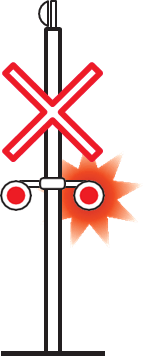
Railway crossing — stay stopped until the gate is fully raised
Signals
Lighted signals are a way of controlling traffic flow.
Lane control signals
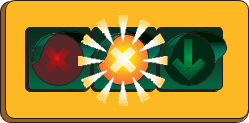
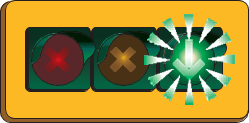
Lane control signals are placed over lanes to indicate which ones are open for driving.
Do not drive in this lane

Move out of this lane and into a lane with a green arrow. If the lane control signals over all of the lanes are flashing yellow, slow down and proceed with caution
Drive in this lane
Traffic lights
Traffic lights are used to help organize the flow of traffic. Generally, a red light means “stop,” a yellow light means “caution” and a green light means “go.” These signals can have slightly different meanings if they are flashing or if they are shaped as arrows rather than circles. In some places green arrows may flash; in others they may not.
Steady red — stop — after coming to a full stop, you may turn right or turn left onto a one-way street unless a sign forbids it

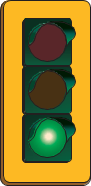
Steady green — continue if the intersection is clear
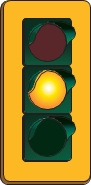
Steady yellow — slow down and stop before the intersection unless you can’t safely stop in time
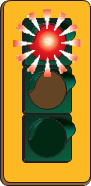
Flashing red — stop, then continue only when it is safe
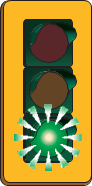
Flashing green — pedestrian-controlled light — go only if the intersection is clear
Flashing yellow — slow down and proceed with caution

Green arrow — turn in the direction of the arrow
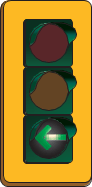
Green arrow — no turn permitted; go straight through only
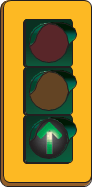
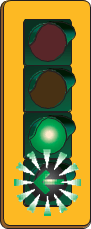
Flashing green arrow with a steady green light — may turn in the direction of the arrow or proceed
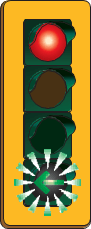
Flashing green arrow with a steady red light — left turn allowed; through traffic must stop for red light
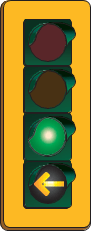
Yellow arrow — advance left turn signal is about to change, slow down and stop before the intersection unless you can’t safely stop in time
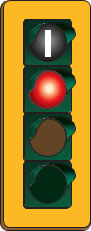
Transit priority signal — steady white rectangular light — only buses may go on this signal
Road markings
Road markings give you warnings or direction. They are painted on the roadway, curbs or other surfaces. It is illegal to drive over freshly painted, wet pavement markings.
Yellow lines
Yellow lines divide traffic moving in opposite directions. If there is a yellow line to your left, there will be traffic coming towards you on the other side of that yellow line.
Broken line — passing is allowed when safe
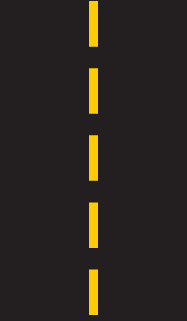
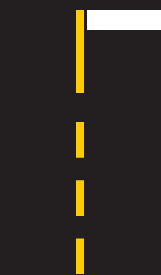
Broken line and solid line — you may pass only when it is safe and the broken line is on your side
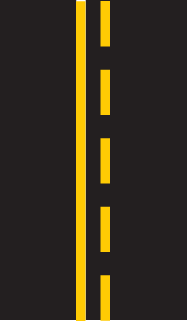
Double solid line — no passing allowed
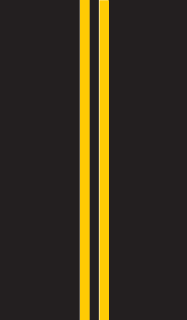
Single yellow line — passing is allowed with extra caution
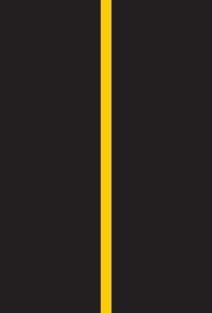
Double broken yellow line — lane is reversible — lane control signal will show whether you may use this lane
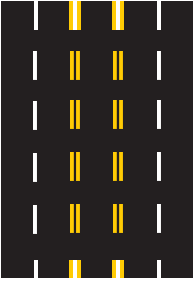
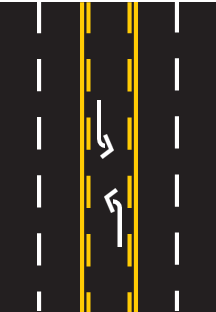
Two-way left-turn lane — drivers travelling in opposite directions share this lane for left turns — markings may be reversed (solid lines inside the broken lines)
White lines
White lines are used to separate lanes of traffic moving in the same direction. White lines also mark crosswalks, stopping positions and the right shoulders of highways.
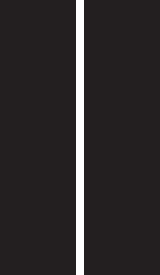
Solid line — do not change lanes
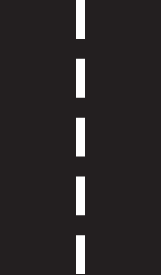
Broken line — lane changing is allowed when safe
Stop line — stop before this line
Pedestrian crosswalk — stop for pedestrians in the crosswalk
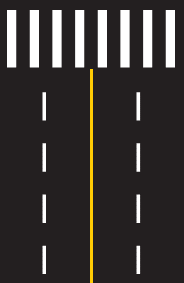
Pedestrian crosswalk — stop for pedestrians in the crosswalk
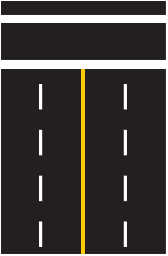
Pedestrian-activated crosswalk with illuminating lights in pavement — stop for pedestrians in the crosswalk

Reserved lane markings
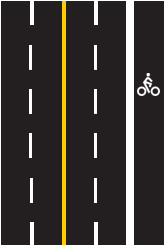
These markings set off lanes for HOVs, buses and bicycles. HOV lanes are marked with thick solid or broken lines and white diamond symbols.
Reserved lane — additional signs or markings state which vehicles are allowed
Bicycle lane — for cyclists only — cyclists must travel in the same direction as the traffic beside them — the lane is marked with an outline of a bicycle and sometimes with a diamond
Other markings
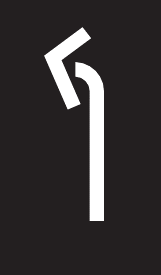
Vehicles in this lane must turn left
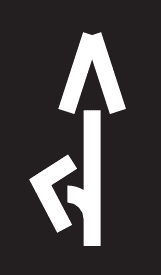
Vehicles in this lane must go straight or turn left
Painted island — keep to the right and do not drive on or over

 Apperture Labs