Light signals used to control traffic, including traffic light signals, flashing red lights, motorway signals and lane control signals.
Traffic light signals
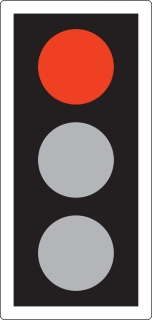
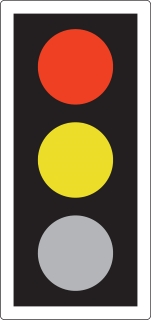
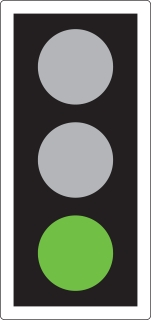
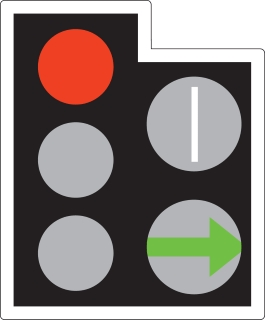
RED means ‘Stop’. Wait behind the stop line on the carriagewayRED AND AMBER also means ‘Stop’. Do not pass through or start until GREEN showsGREEN means you may go on if the way is clear. Take special care if you intend to turn left or right and give way to pedestrians who are crossingAMBER means ‘Stop’ at the stop line. You may go on only if the AMBER appears after you have crossed the stop line or are so close to it that to pull up might cause an accidentA GREEN ARROW may be provided in addition to the full green signal if movement in a certain direction is allowed before or after the full green phase. If the way is clear you may go but only in the direction shown by the arrow. You may do this whatever other lights may be showing. White light signals may be provided for trams
Flashing red lights
Alternately flashing red lights mean YOU MUST STOP At level crossings, lifting bridges, airfields, fire stations, etc.
Motorway signals
These signals are also used on other high-speed roads.
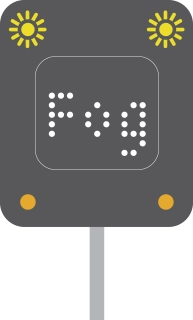
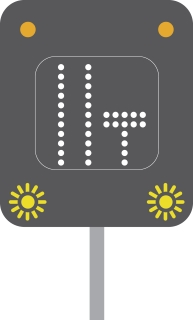
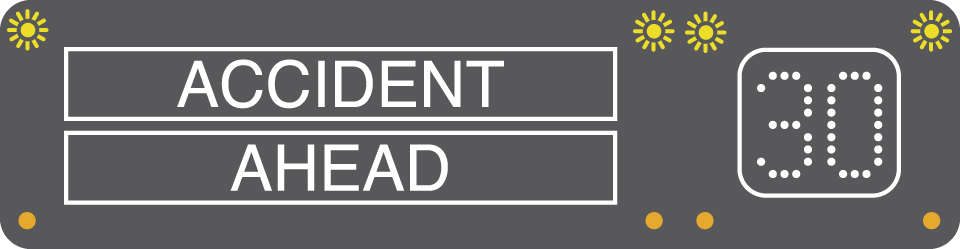
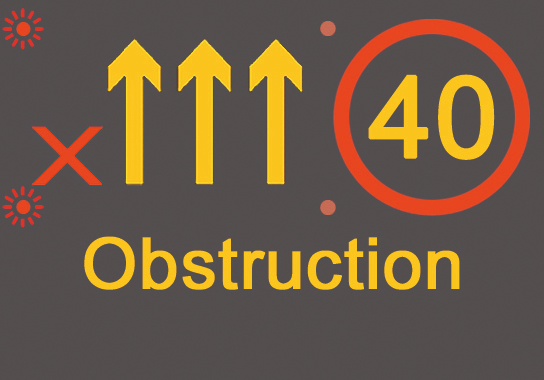
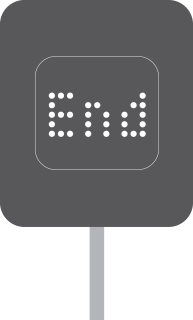
You MUST NOT proceed further in this laneChange laneReduced visibility aheadLane ahead closedTemporary maximum speed advised and information messageYou MUST NOT enter or proceed in the left lane, temporary mandatory maximum speed limit and information messageTemporary maximum speed advisedEnd of restriction
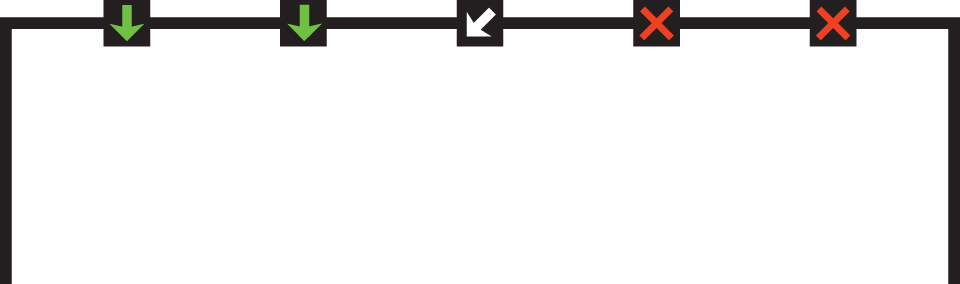
Lane control signals
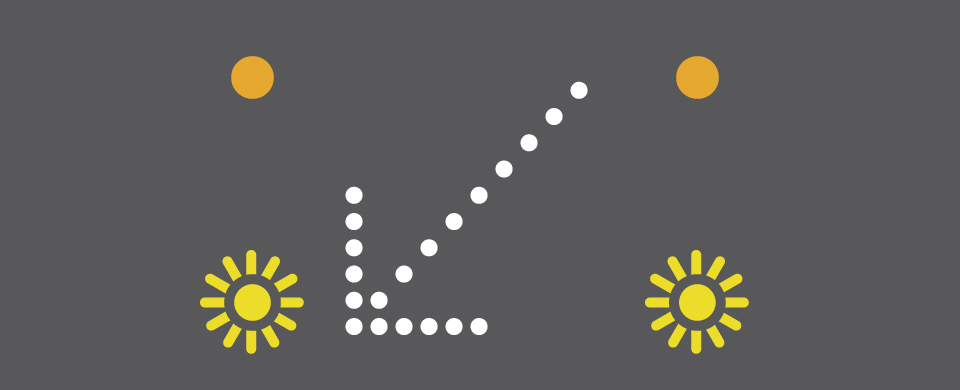
Green arrow – lane available to traffic facing the sign Red crosses – lane closed to traffic facing the sign White diagonal arrow – change lanes in direction shown
Signals to other road users
Signals used to other road users, including direction indicator signals, brake light signals, reversing light signals and arm signals.
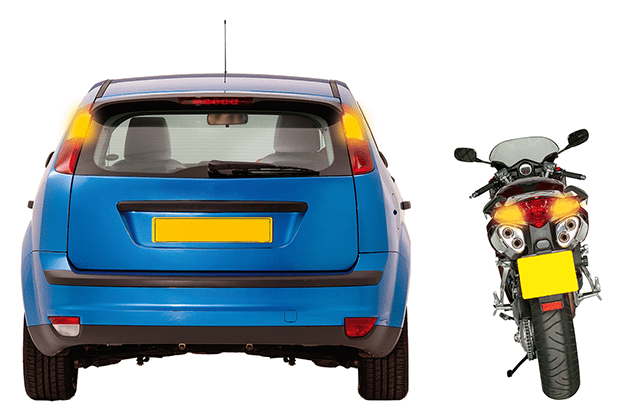
Direction indicator signals
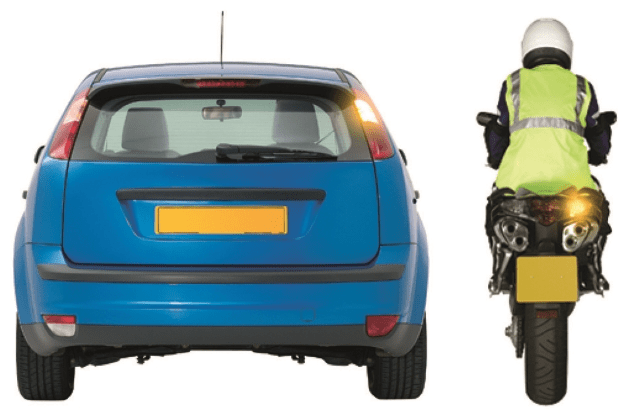
I intend to move out to the right or turn rightI intend to move in to the left or turn left or stop on the left
These signals should not be used except for the purpose described.
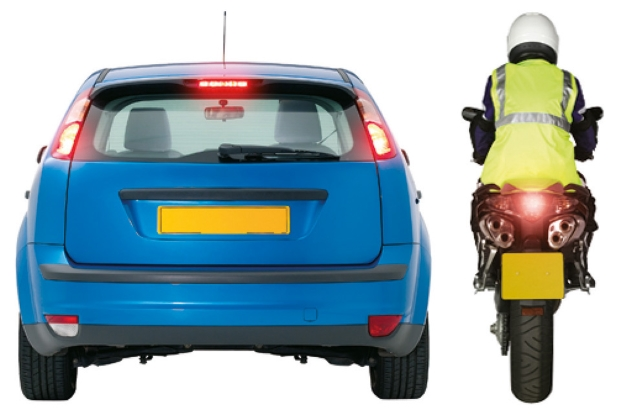
Brake light signals
I am applying the brakes
This signal should not be used except for the purpose described.
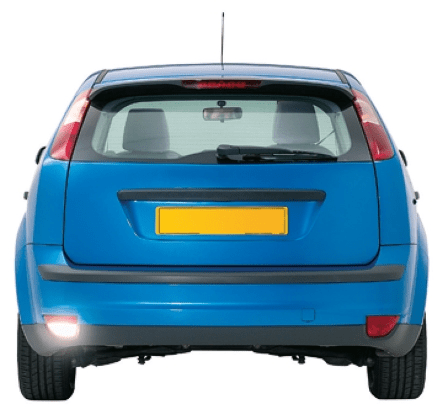
Reversing light signals
I intend to reverse
This signal should not be used except for the purpose described.
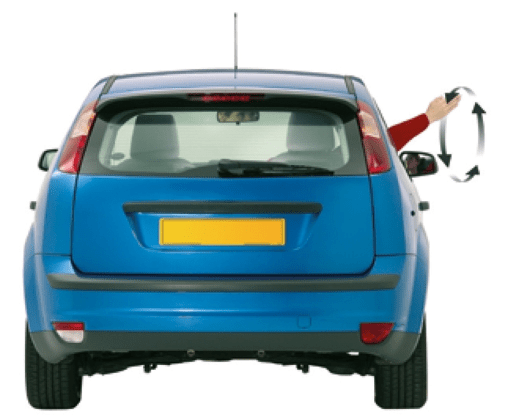
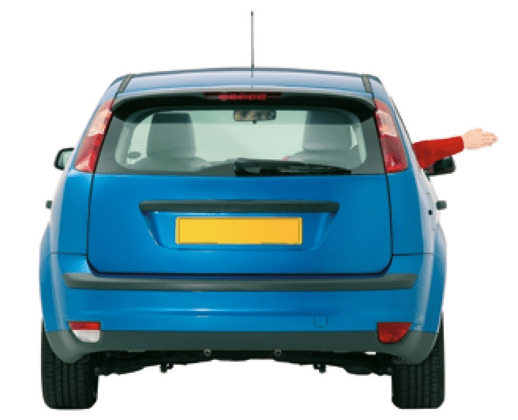
Arm signals
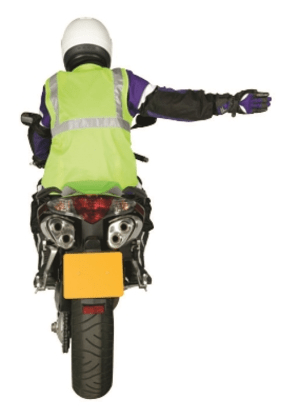
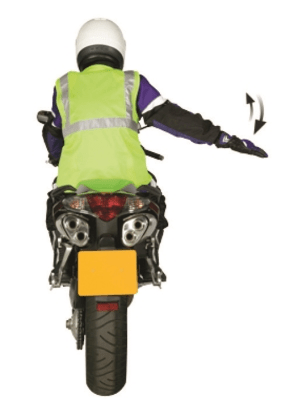
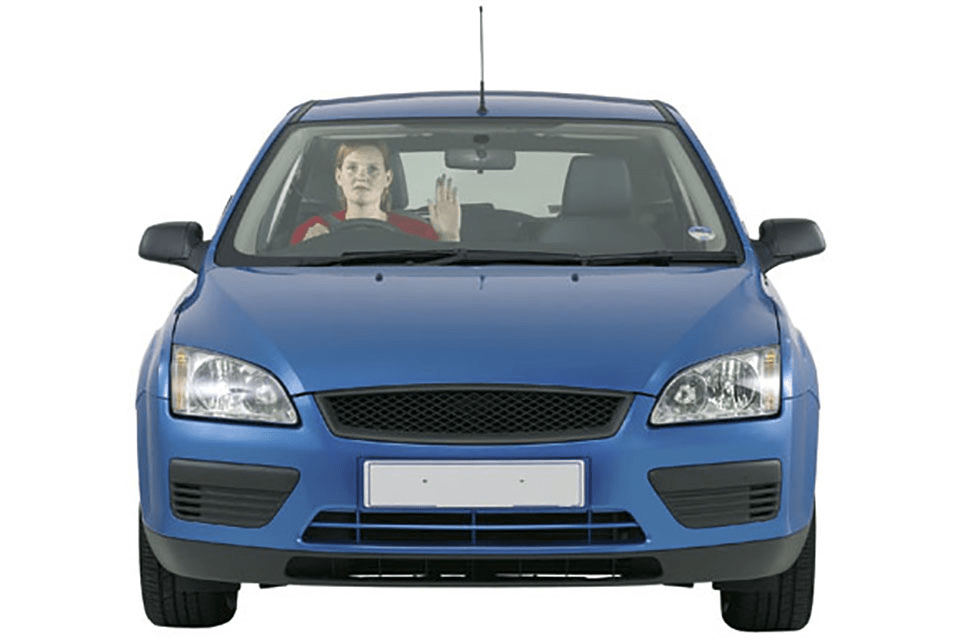
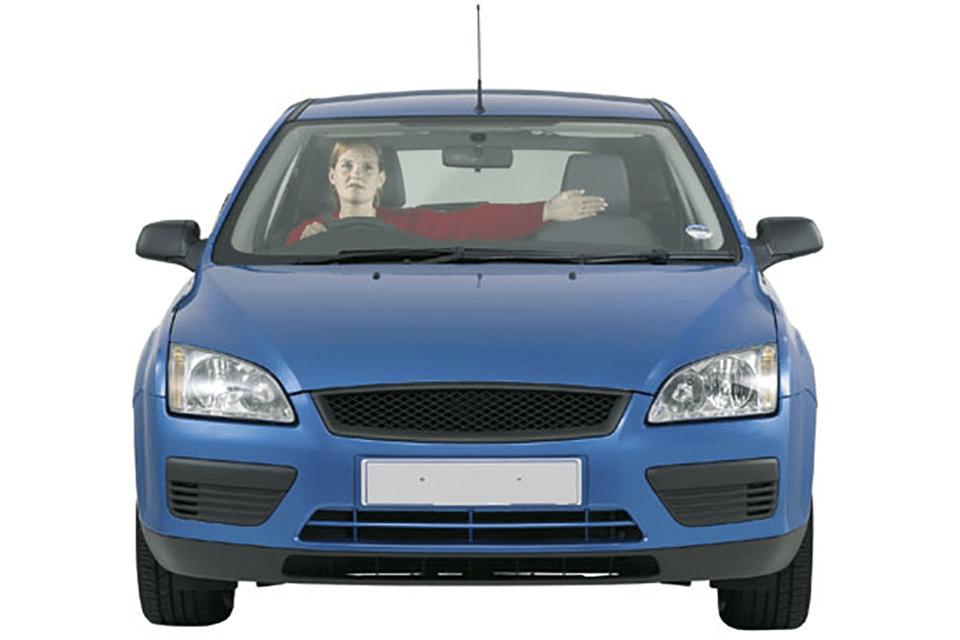
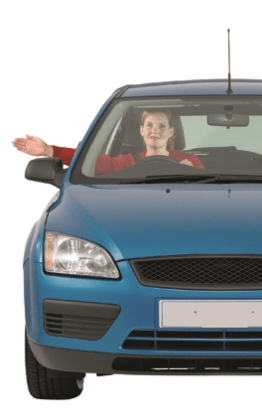
For use when direction indicator signals are not used, or when necessary to reinforce direction indicator signals and stop lights. Also for use by pedal cyclists and those in charge of horses.
I intend to move in to the left or turn leftI intend to move out to the right or turn rightI intend to slow down or stopI intend to move in to the left or turn leftI intend to move out to the right or turn rightI intend to slow down or stop
These signals should not be used except for the purpose described.
Hazard lights
I am temporarily obstructing traffic or warning of a hazard or obstruction ahead (see Rule 116)
Signals by authorized persons
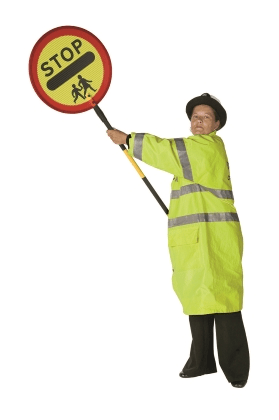
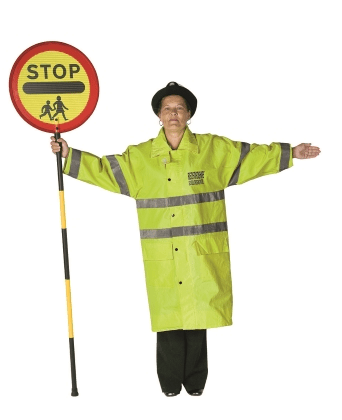
Signals used by authorized persons, including police officers, arm signals to persons controlling traffic, Driver and Vehicle Standards Agency officers and traffic officers and school crossing patrols.
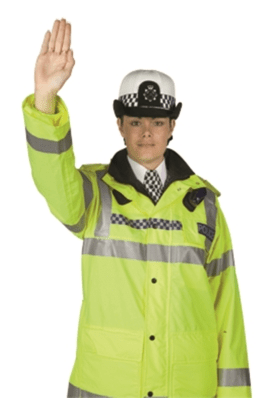
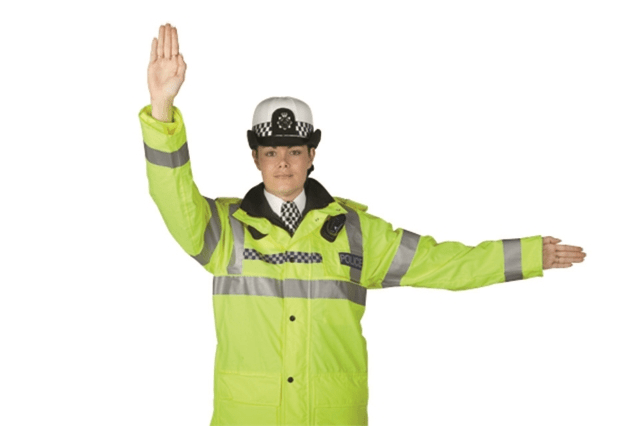
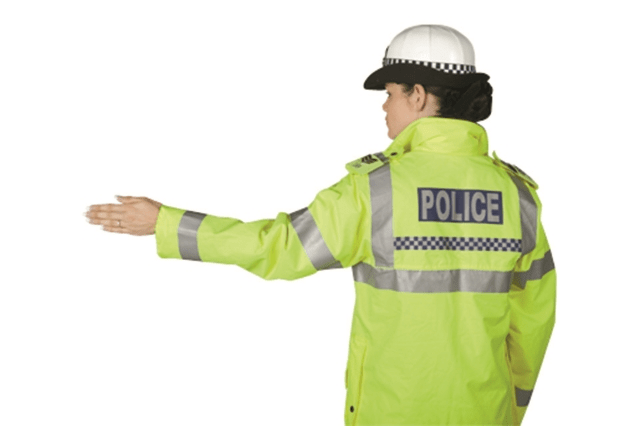
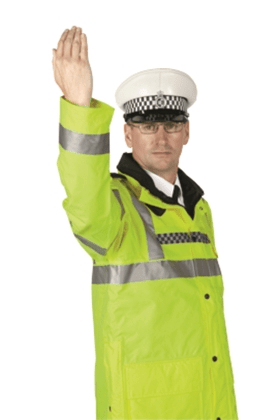
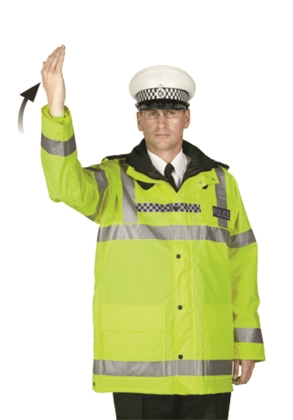
Police officers
Stop
Traffic approaching from the frontTraffic approaching from both front and behindTraffic approaching from behind
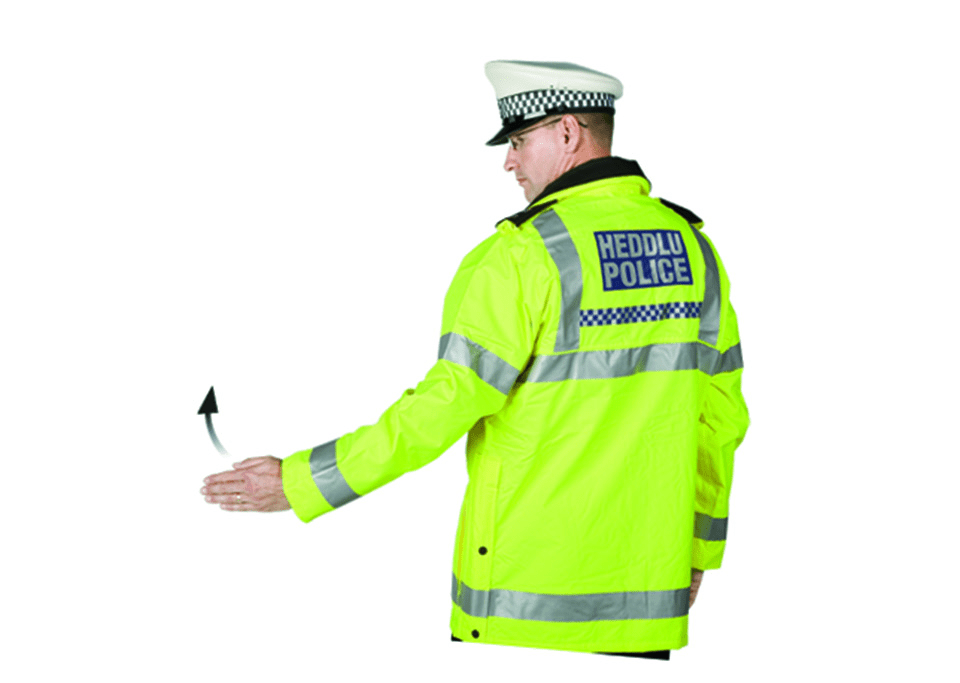
To beckon traffic on
From the sideFrom the frontFrom behind*
*In Wales, bilingual signs appear on emergency services vehicles and clothing
Arm signals to persons controlling traffic
I want to go straight onI want to turn left; use either handI want to turn right
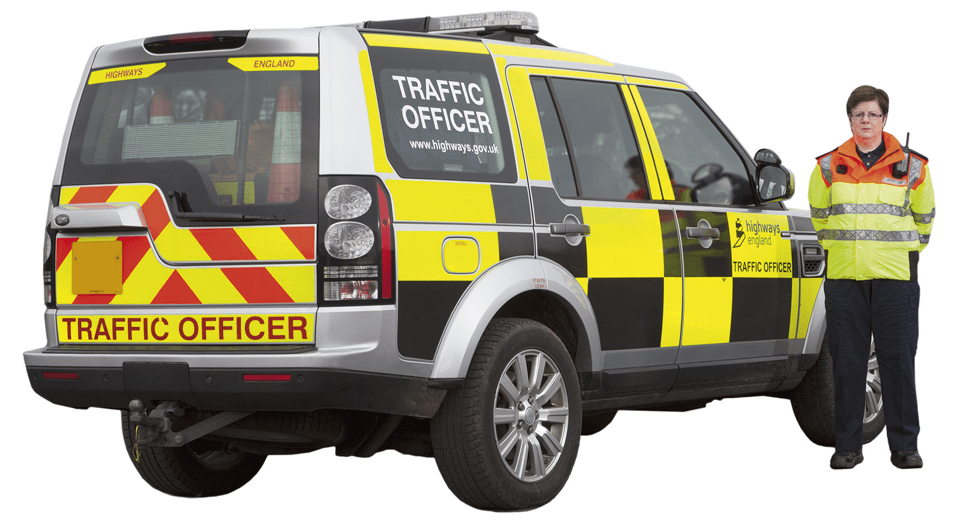
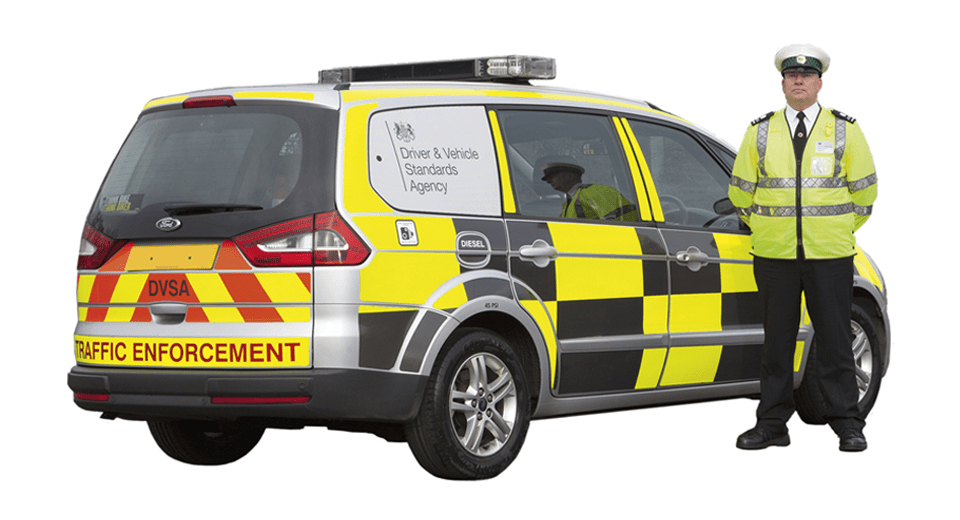
Driver and Vehicle Standards Agency officers and traffic officers
Traffic officerDVSA officer
These officers now have new powers to stop/direct vehicles and will be using hand signals and light signals similar to those used by police. You MUST obey any signals given (see Rules 107 and 108).
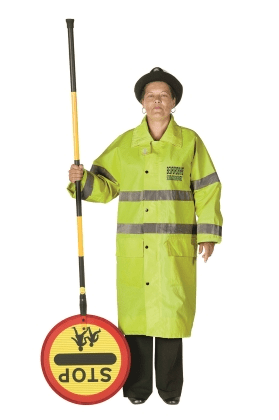
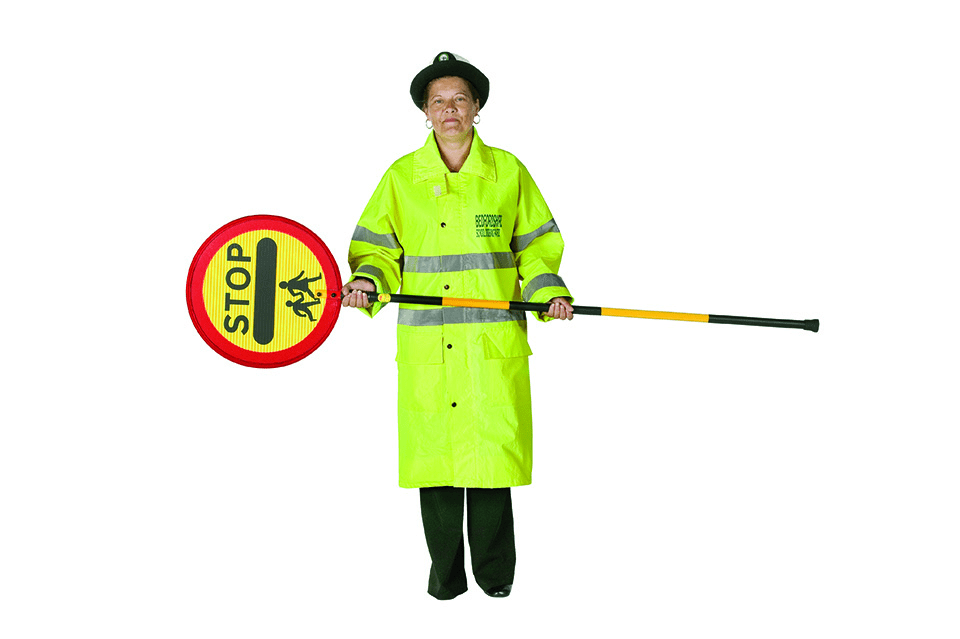
School crossing patrols
Not ready to cross pedestriansBarrier to stop pedestrians crossingReady to cross pedestrians, vehicles must be prepared to stopAll vehicles must stop







 Apperture Labs