Traffic and road signage guide

Regulatory traffic signs

This section includes the signs that show a road regulation is in place. These must be obeyed.

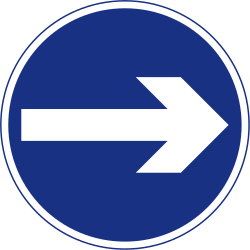
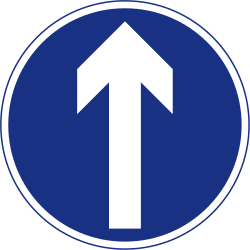
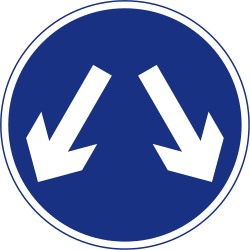
Regulatory signs show the course a driver must follow and an action they are required to take or forbidden to take. They are usually circular and have a red border and black symbols or letters on a white background. Mandatory regulatory signs that indicate the direction traffic must take at junctions are blue and white.
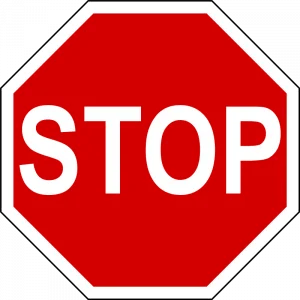
Stop
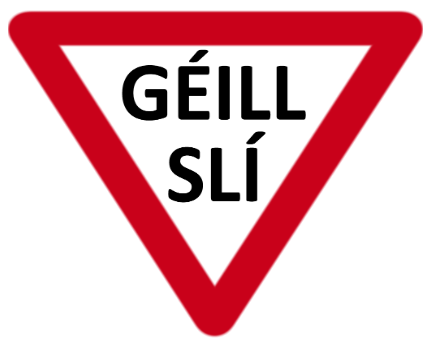
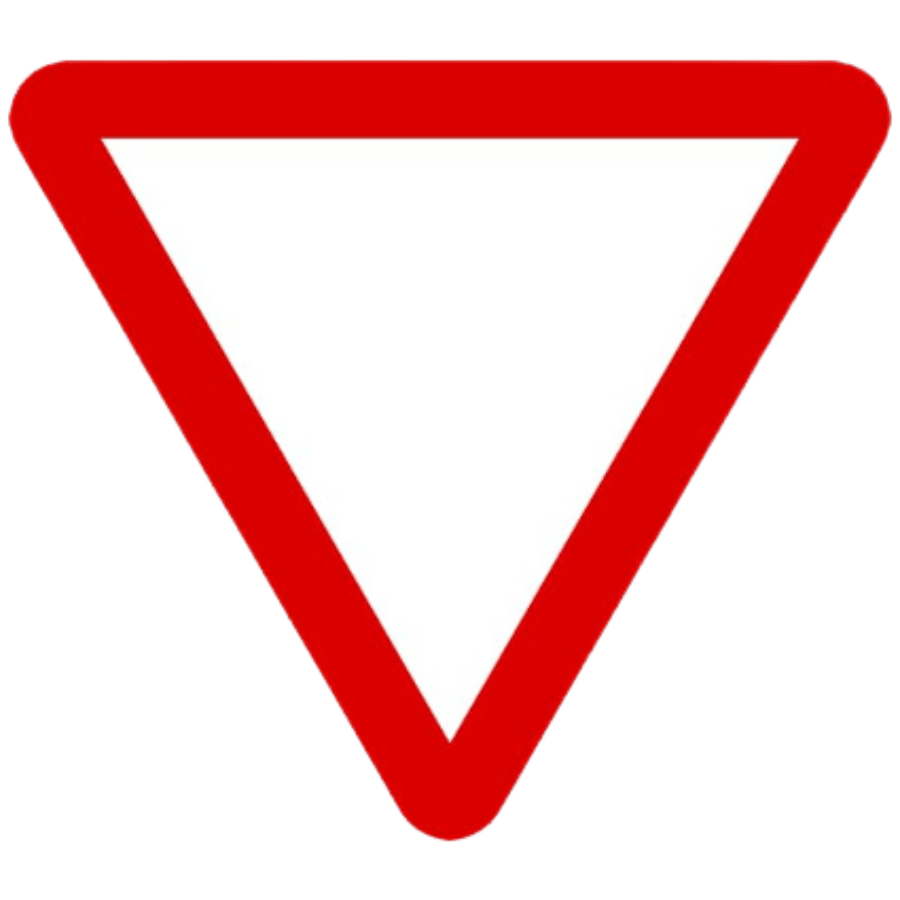
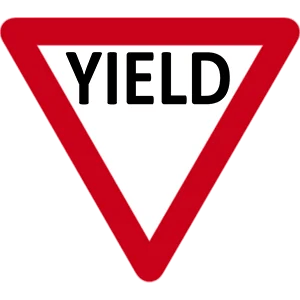
Yield
Yield
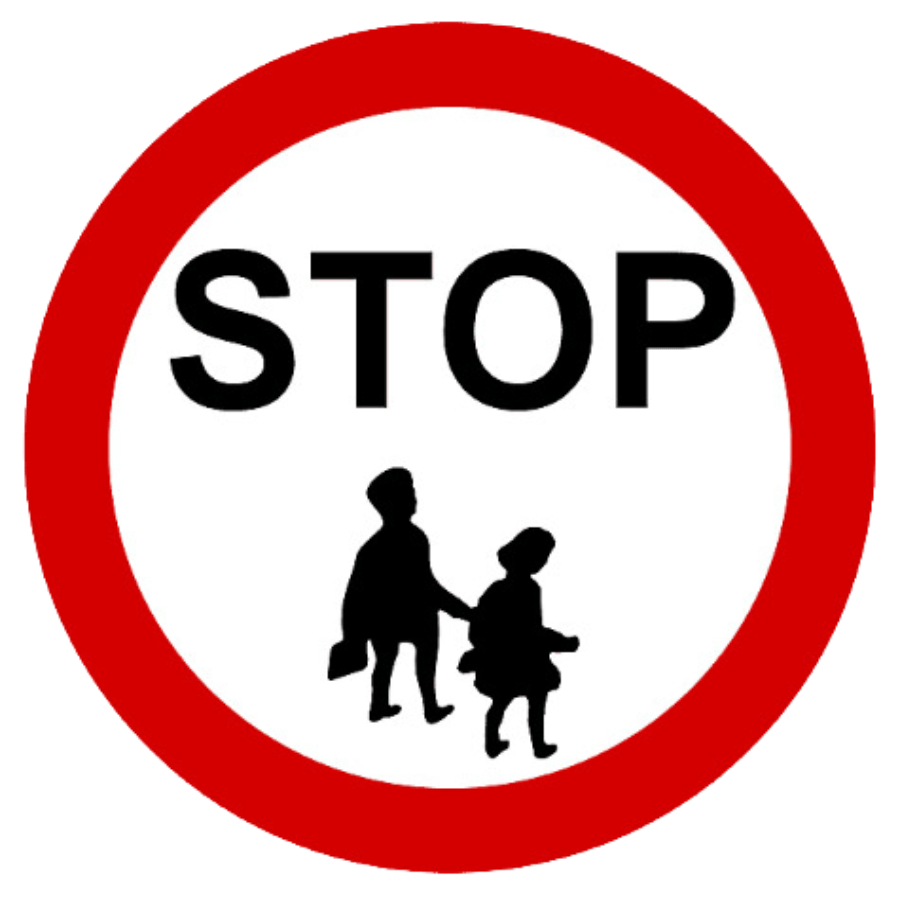
School wardens stop sign
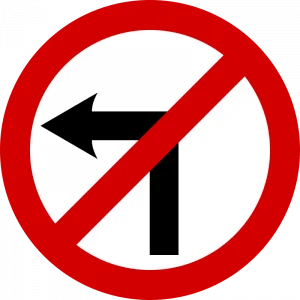
No left turn
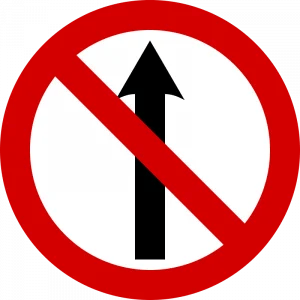
No entry or ‘No straight ahead’
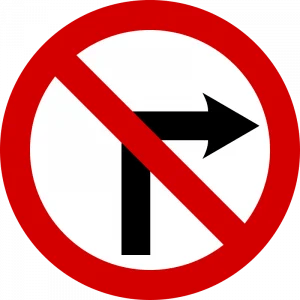
No right turn
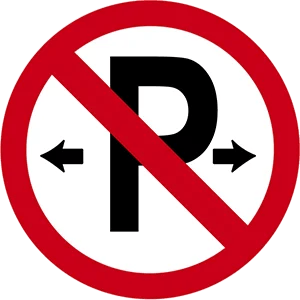
Parking prohibited
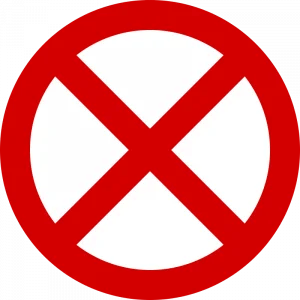
Clearway
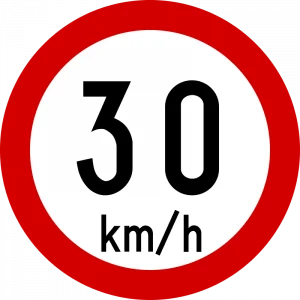
Max speed limit
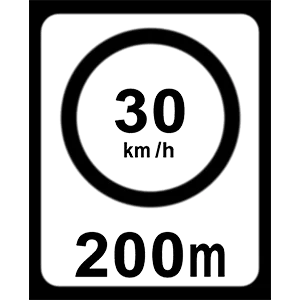
30kmh
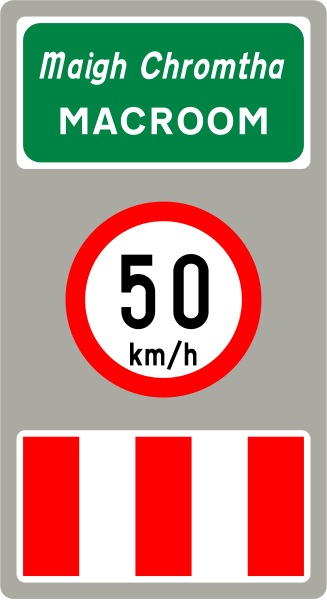
Max speed limit 50kmh
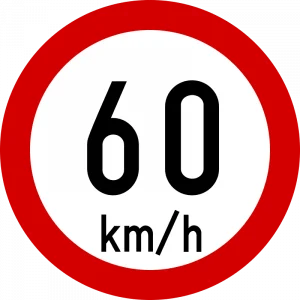
Max speed limit 60kmh
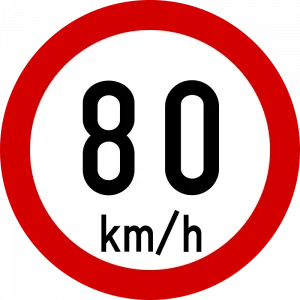
Max speed limit 80kmh
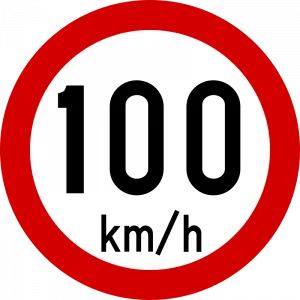
Max speed limit 100kmh
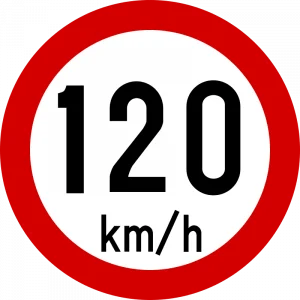
Max speed limit 120kmh

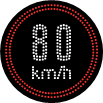
The following is an alternative design for the 80kmh speed limit sign. This sign may be provided:

  • On a local road to indicate that a speed limit of 80kmh applies; or
  • At a location where special speed limit bye-laws specify that the special speed limit of 80kmh applies in respect of a local road or part of a local road in a built-up area.
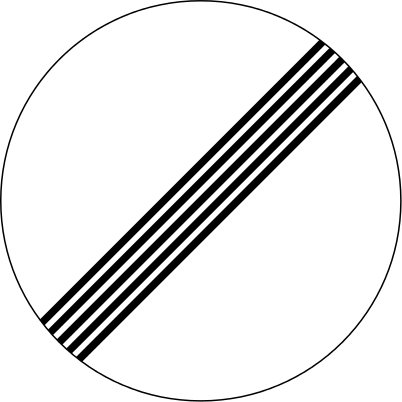
Max speed limit 80kmh
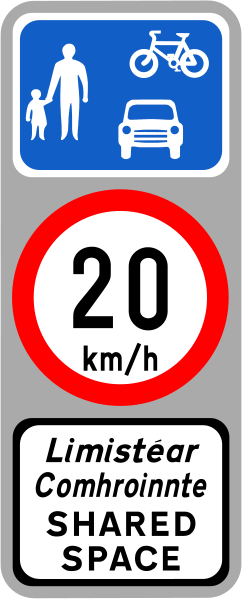
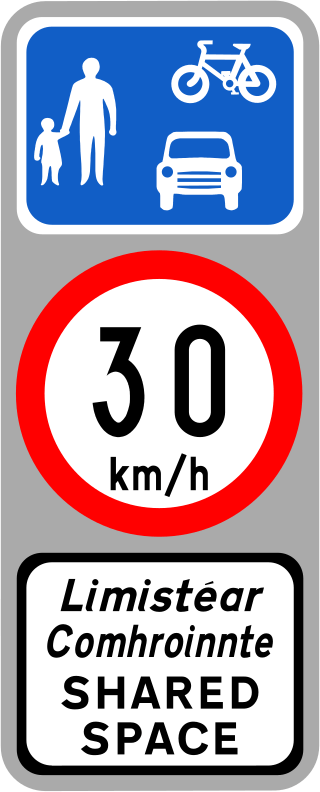
Shared space
Speed limits per lane
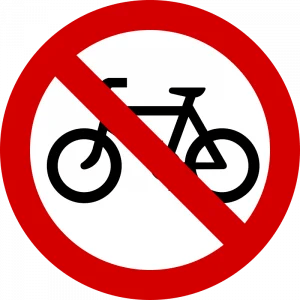
No bicycles
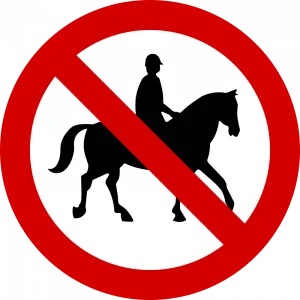
No ridden or accompanied horses
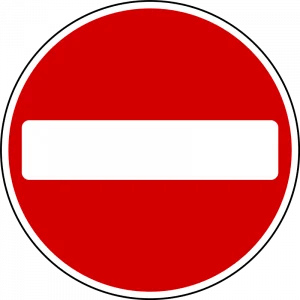
No entry to vehicles
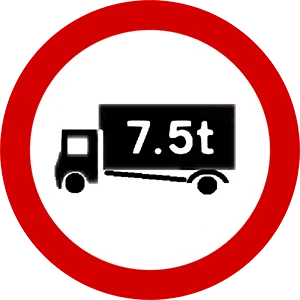
Maximum gross weight (traffic management)
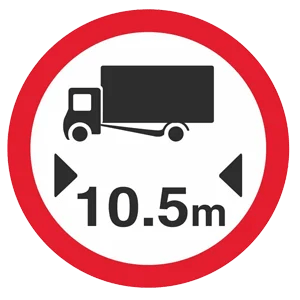
Maximum vehicle length
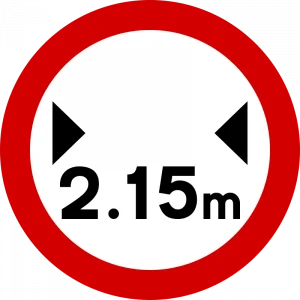
Maximum vehicle width
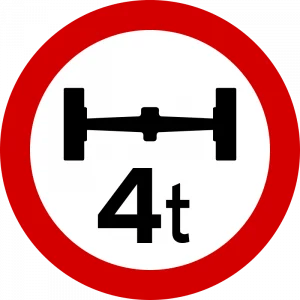
Maximum axle weight
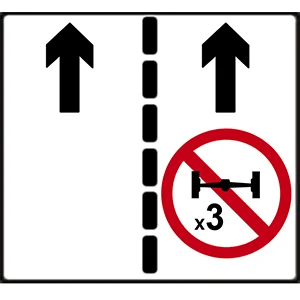
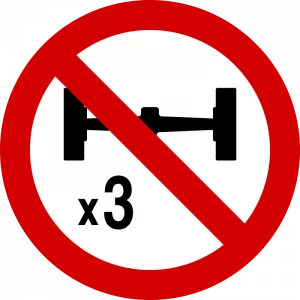
No overtaking for three-axle vehicles
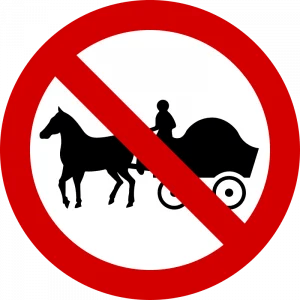
No horse carriages
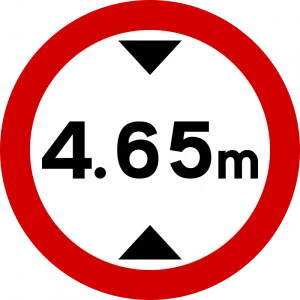
Height restriction
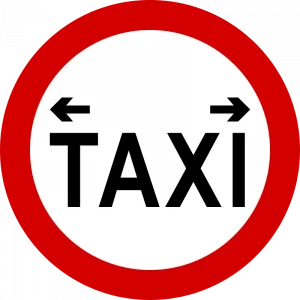
Taxi rank
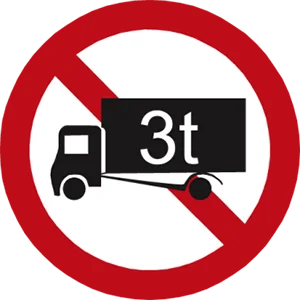
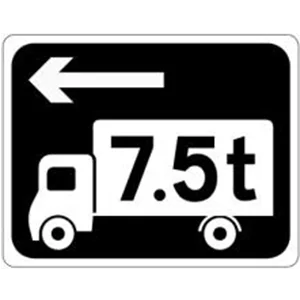
No entry for large vehicles (by reference to weight)
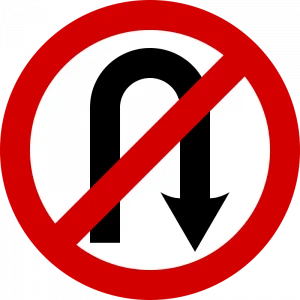
No U-turn
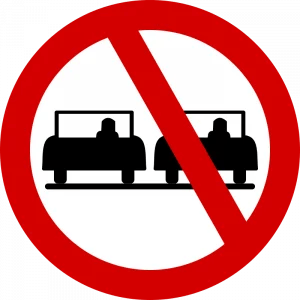
No overtaking
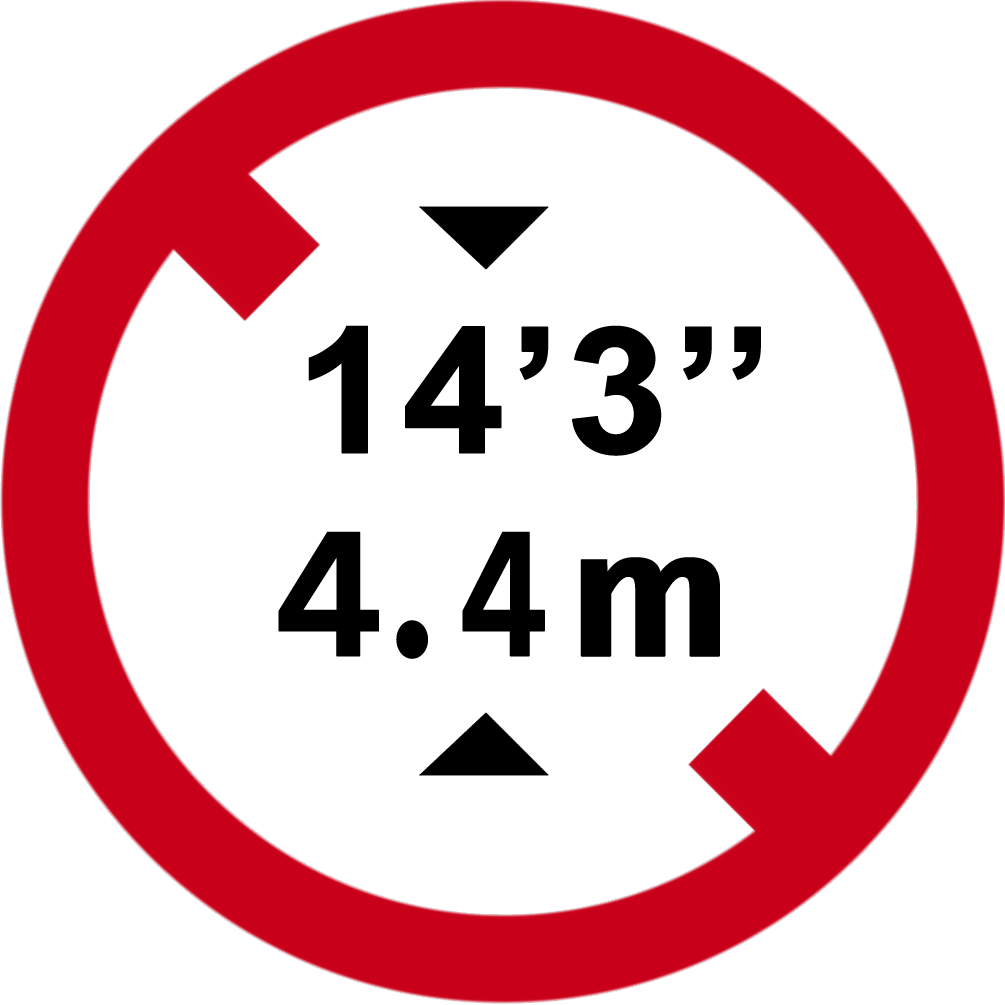
Height restriction
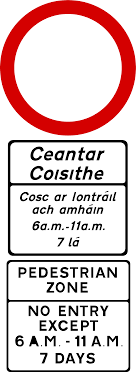
Pedestrianised street
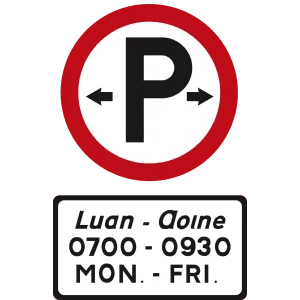
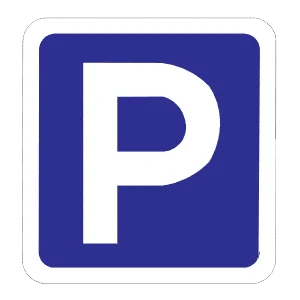
Parking permitted
Disc parking plate
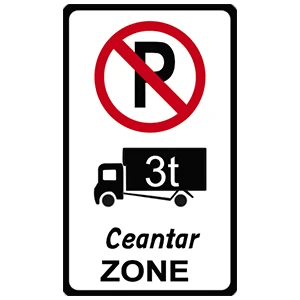
Zonal restriction – no parking of large vehicles
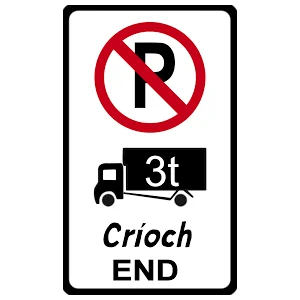
End of the restriction zone

Mandatory signs at junctions (white and blue)
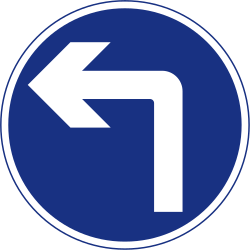
Turn left ahead
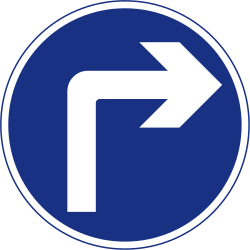
Turn right ahead
Turn left
Turn right
Straight ahead
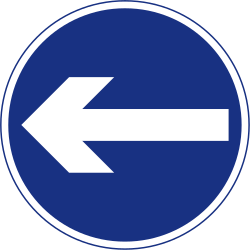
Keep left
Keep right
Pass either side
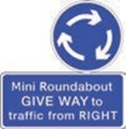
Mini roundabout

Manual traffic control sign at roadworks
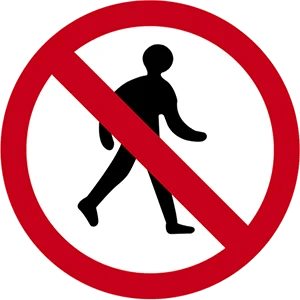
No entry for pedestrians to tramway
Stop
Either form of Go or Téigh can be used
No entry to goods vehicles
(by reference to number
of axles)
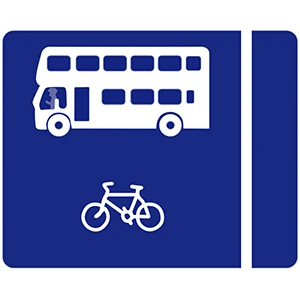
With flow bus lane on left
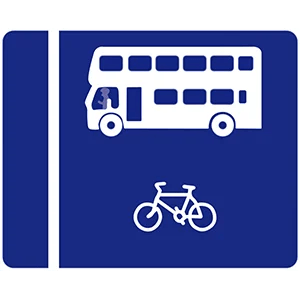
With flow bus lane on right
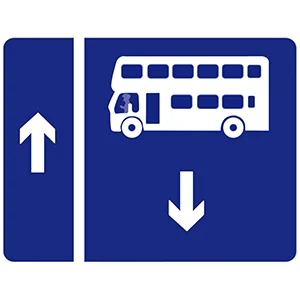
Contra flow bus lane
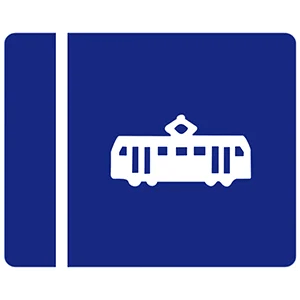
Tram lane on left
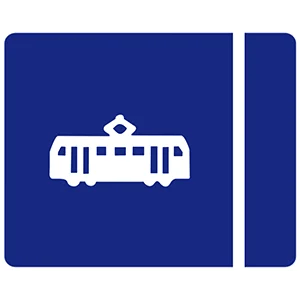
Tram lane on right
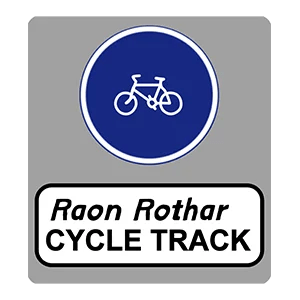
Start of cycle track
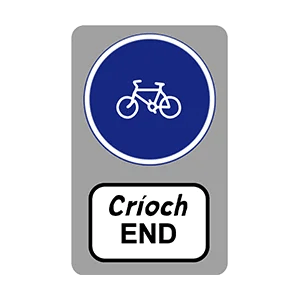
End of cycle track
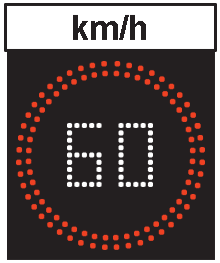
Electronic variable speed limit sign (tunnel only)
Variable speed limit
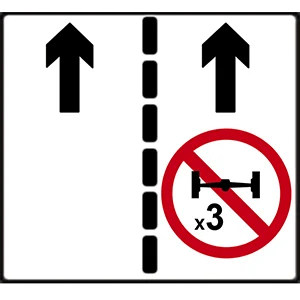
In a tunnel goods vehicles cannot use right-hand lane (by reference to number of axles)
Electronic periodic speed limit sign
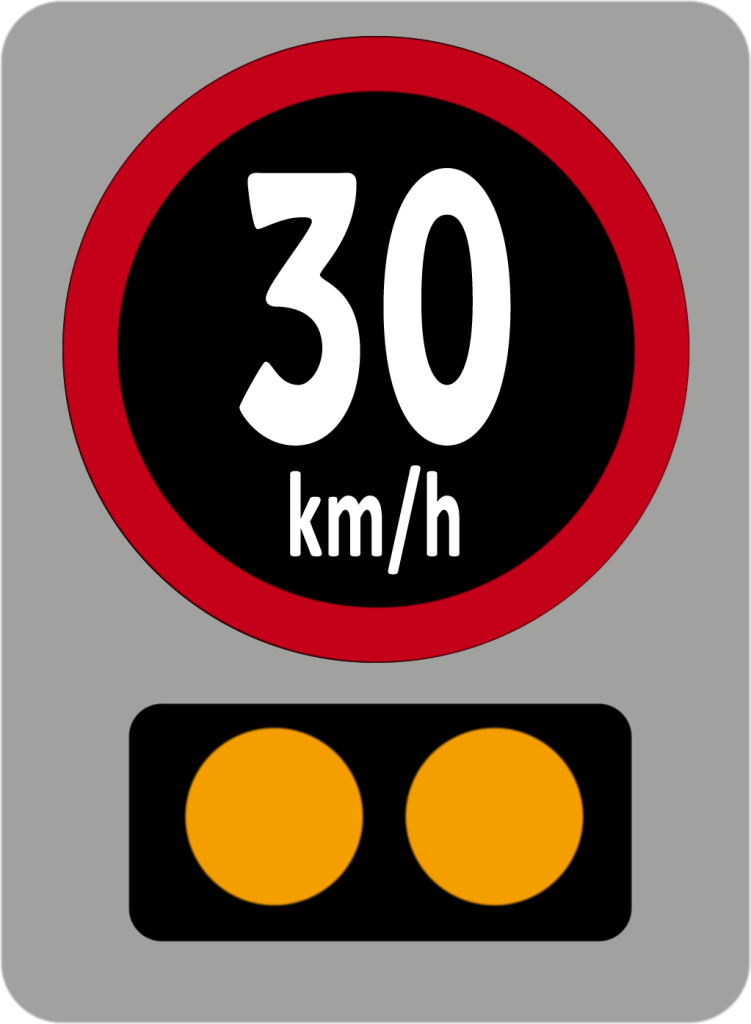
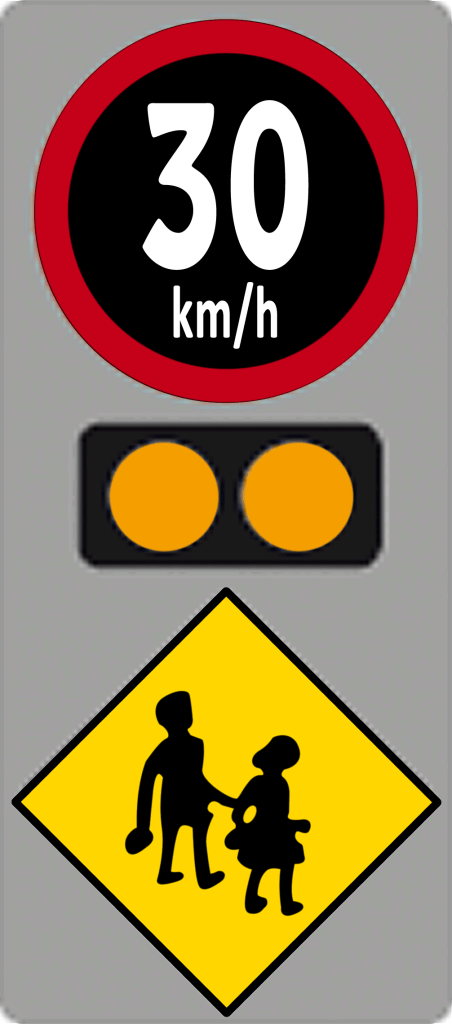
Electronic periodic speed limit sign at school
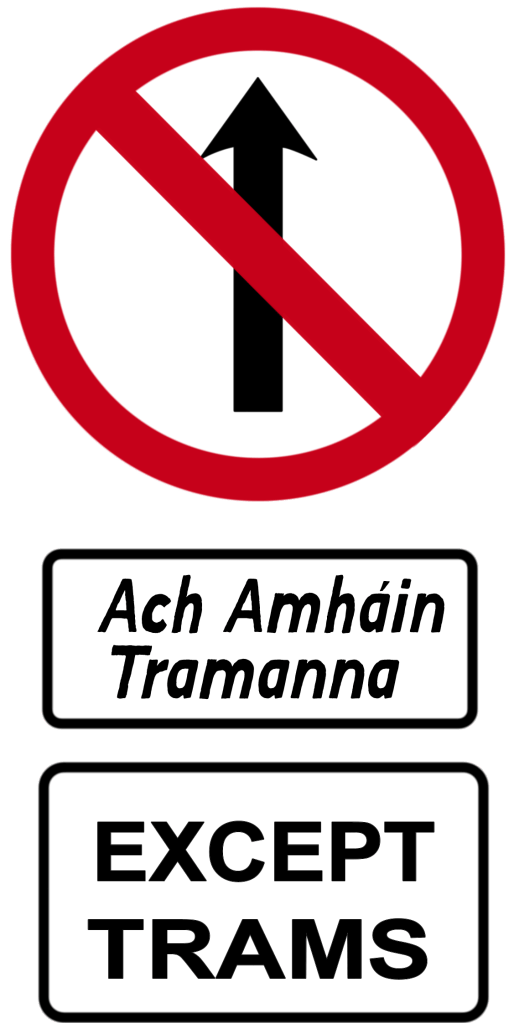
Tram only street
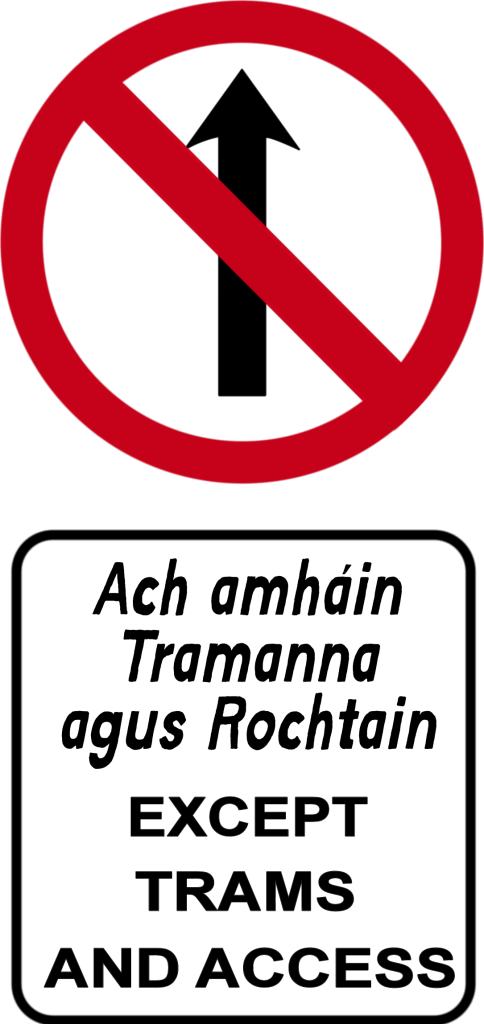
Tram and access
only street
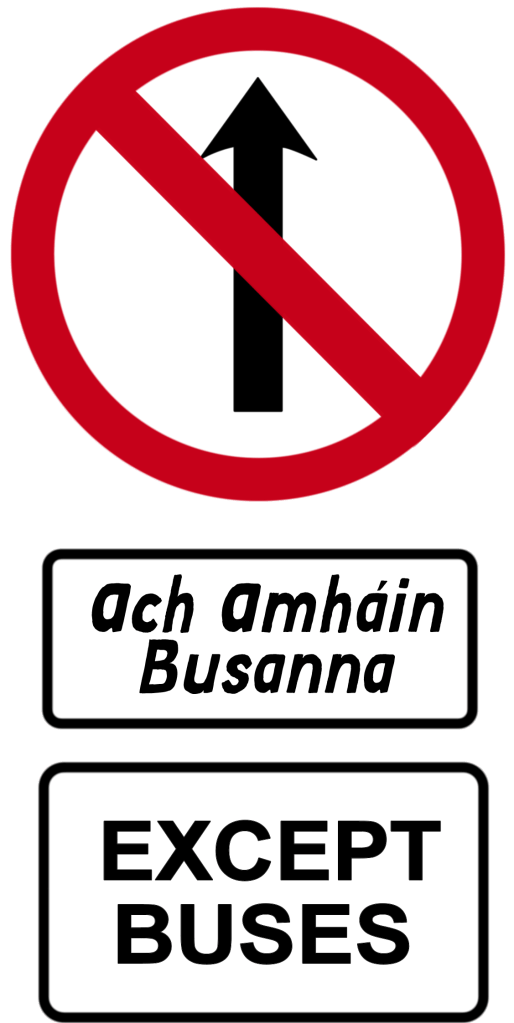
Bus only street
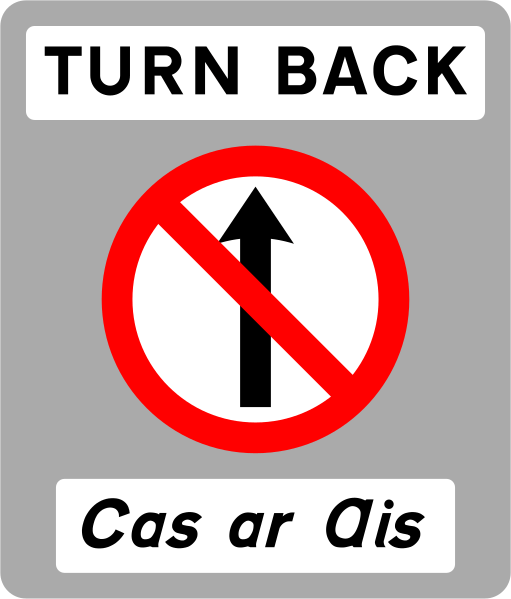
Turn back
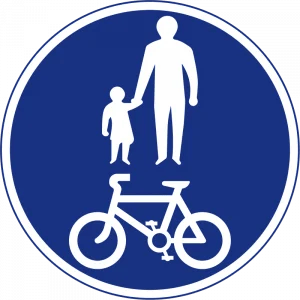
Pedestrians and bicycles only
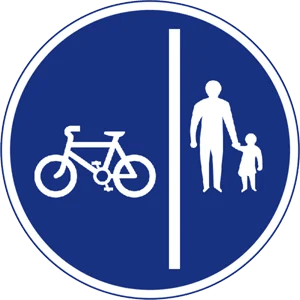
Separate bicycle and pedestrian lanes

Traffic lane control signs: tunnels, national roads and motorways

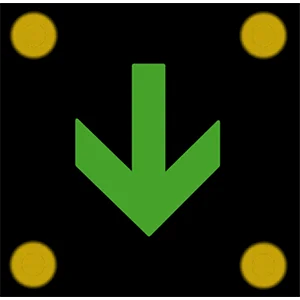
Go (Lane open)
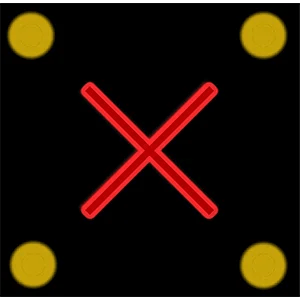
Stop (lane closed)
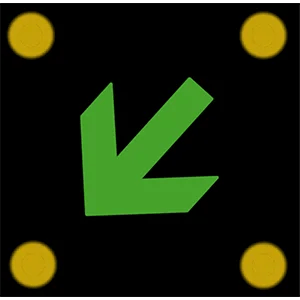
Move into the left-hand lane
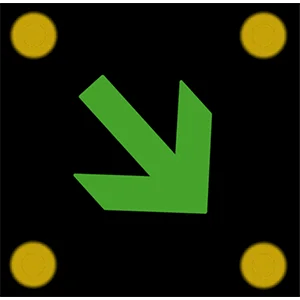
Move into the right-hand lane

Variable message signs (VMS)

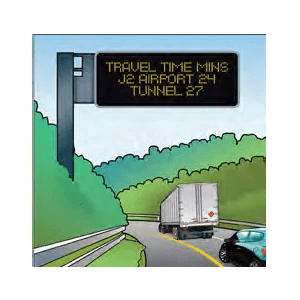
Overhead VMS
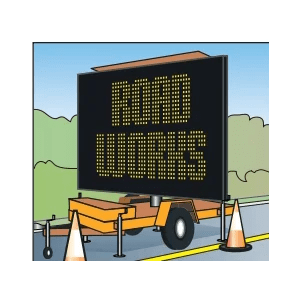
Mobile VMS displaying text message
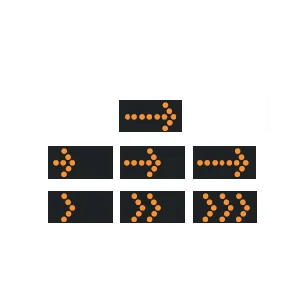
Examples of VMS chevron formats

Warning traffic signs

This section includes signs that warn road users of a hazard ahead. They are diamond or rectangular in shape and have a black border and black symbols or letters on a yellow background.

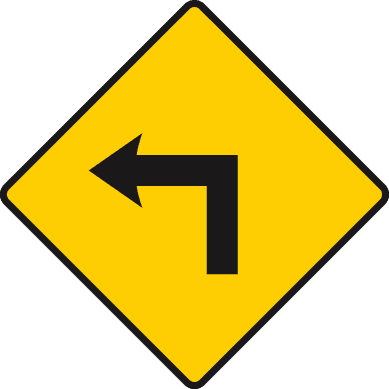
Dangerous corner ahead
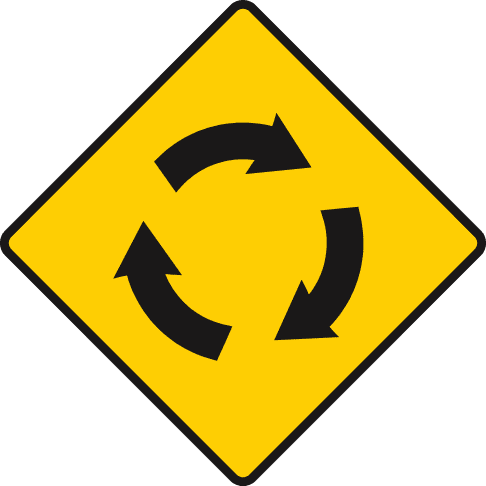
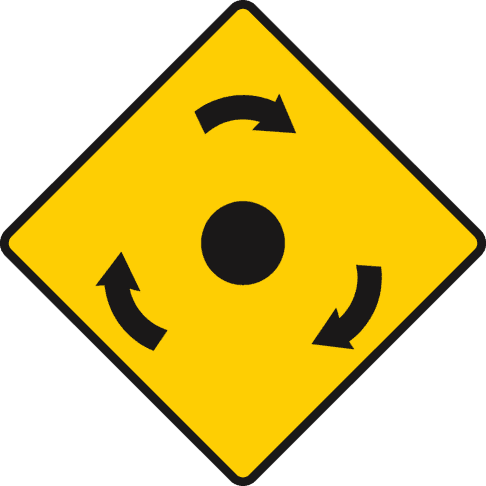
Roundabout ahead
Mini-Roundabout ahead
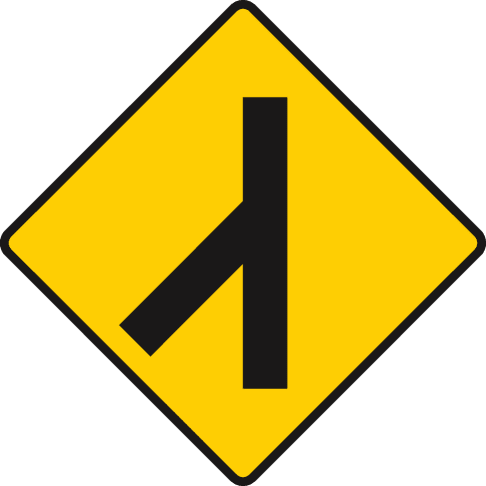
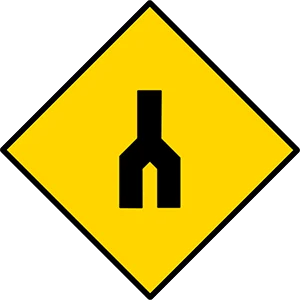
Merging traffic
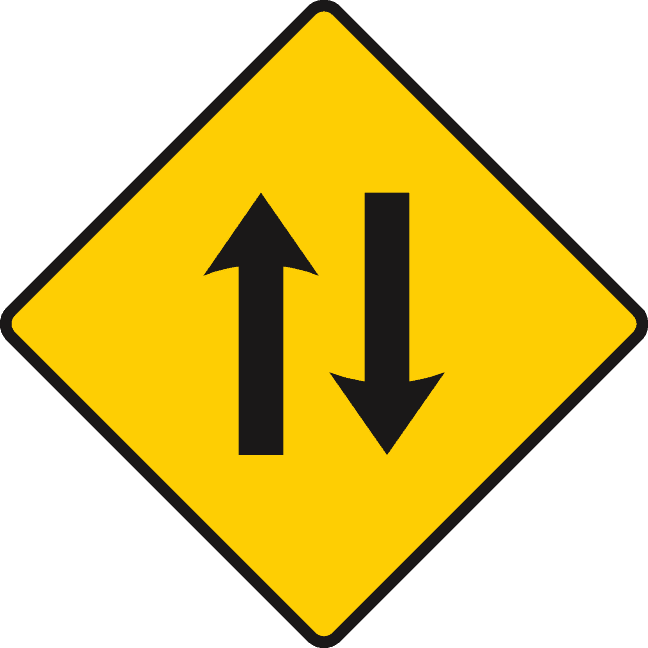
Two-way traffic
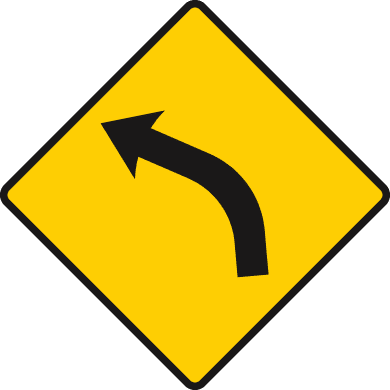
Dangerous bend ahead
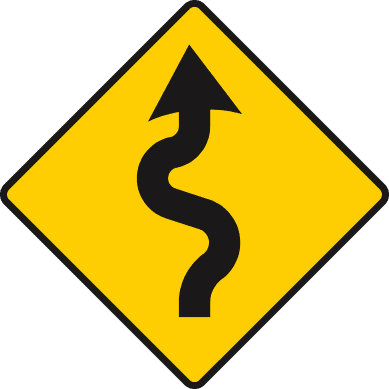
Series of dangerous bends ahead
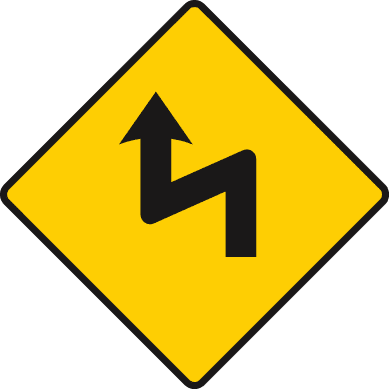
Series of dangerous corners ahead
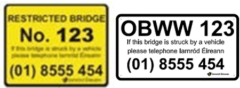
Restricted headroom
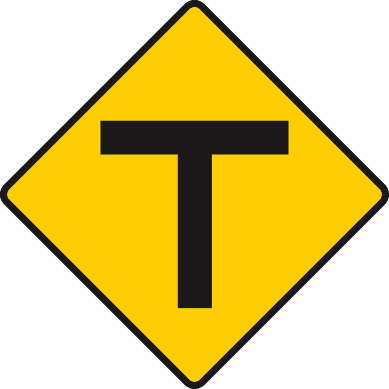
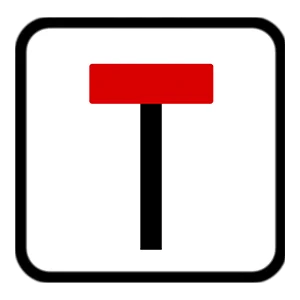
T-junction

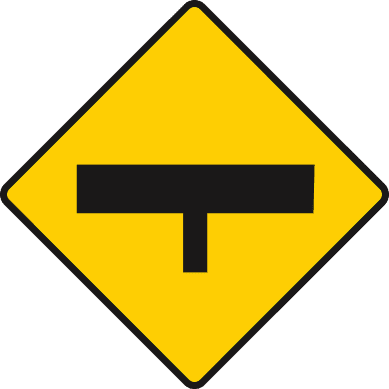
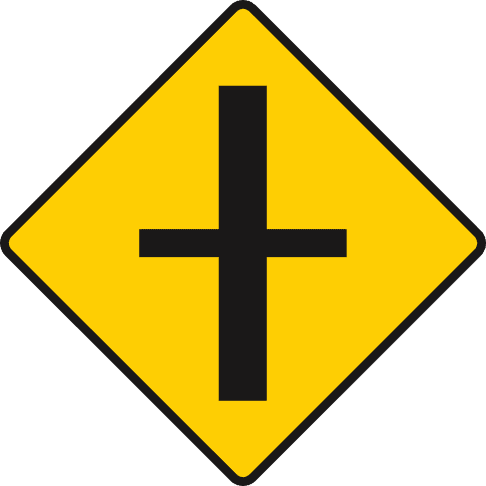
Junction ahead with roads of less importance (the latter being indicated by arms of lesser width)

T-junction
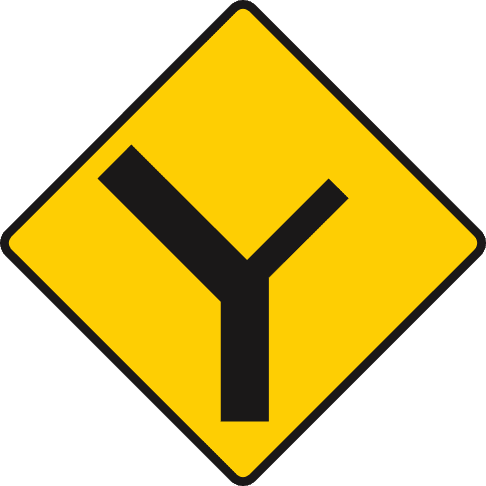
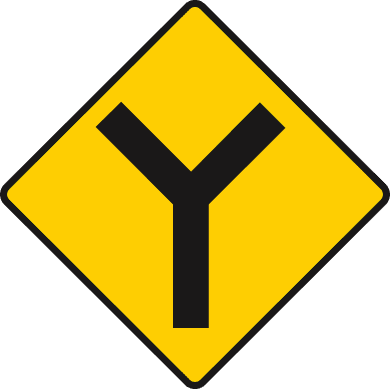
Y-junction
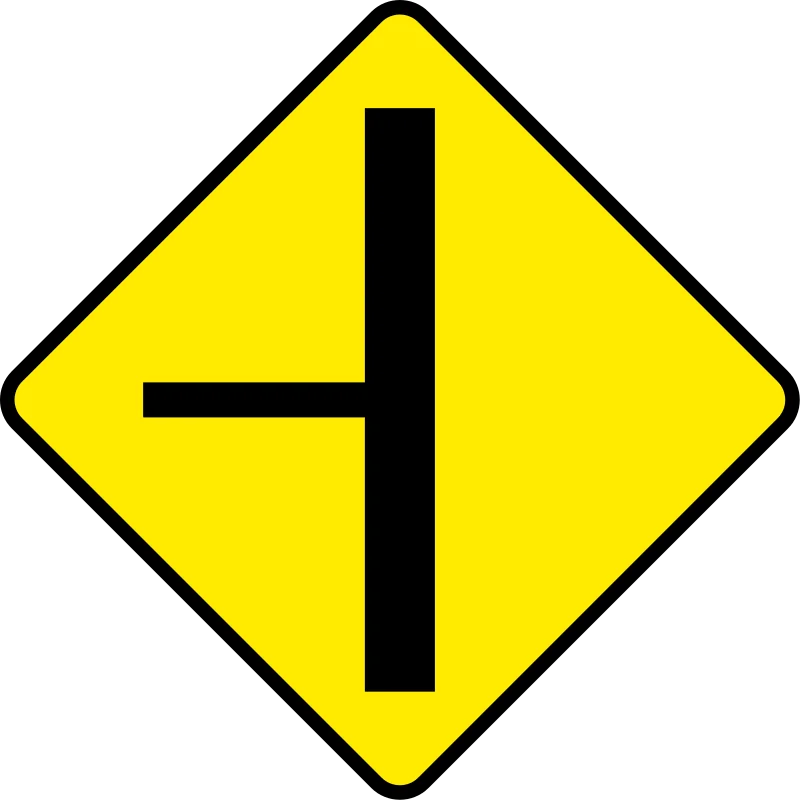
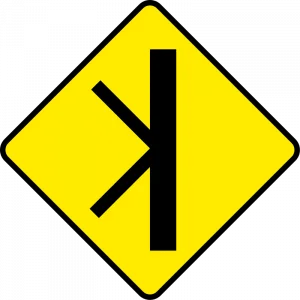
Side road
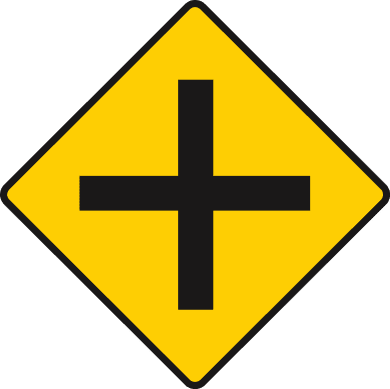
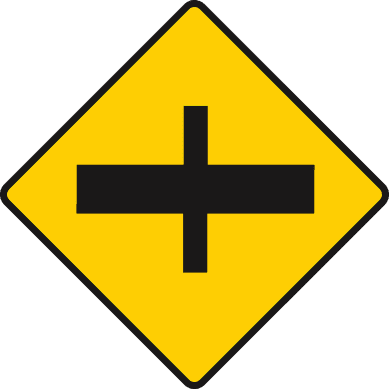
Crossroads

Junction ahead with a road or roads of equal importance

Crossroads
Side road
T-junction
Y-junction
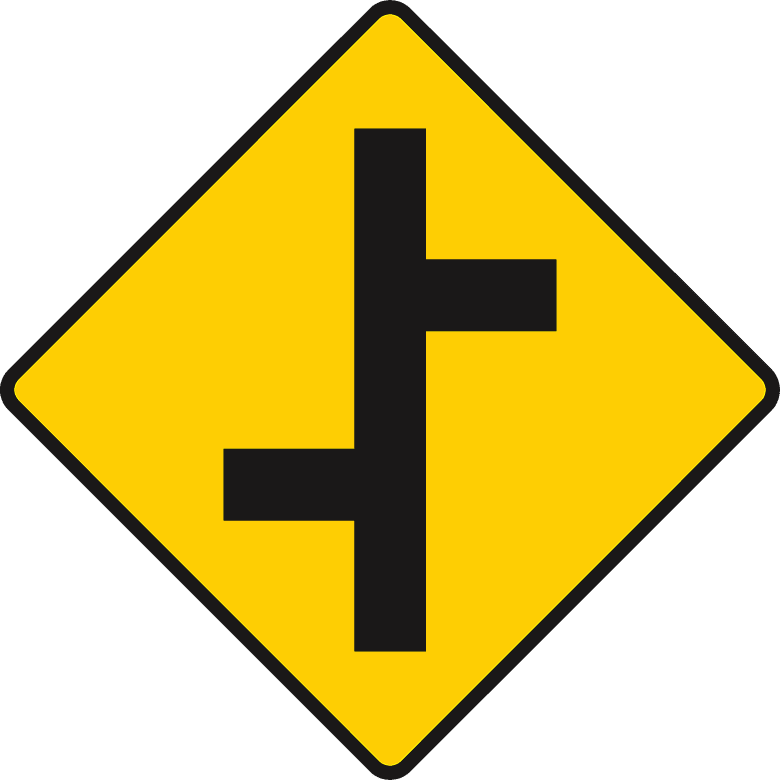
Staggered crossroads

Advance warning of a major road (or dual carriageway ahead)

T-junction with dual carriageway
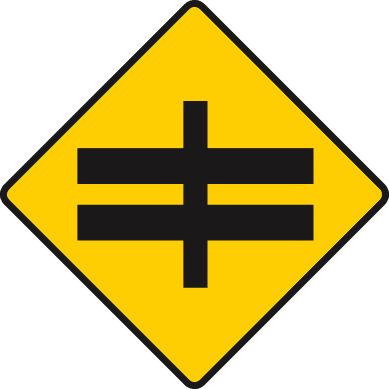
Crossroads with dual carriageway
Crossroads
Advance warning of a stop sign
Advance warning of a yield sign

General purpose warning signs

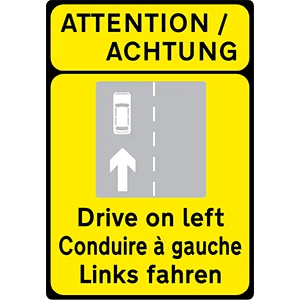
Drive on left
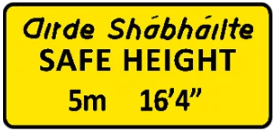
Safe height plate
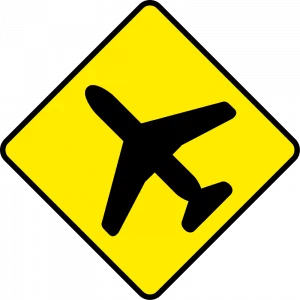
Low flying aircraft
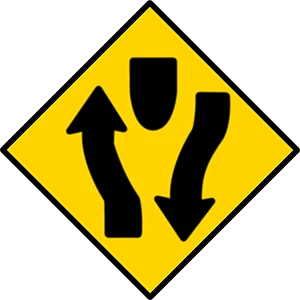
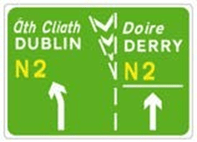
Road divides
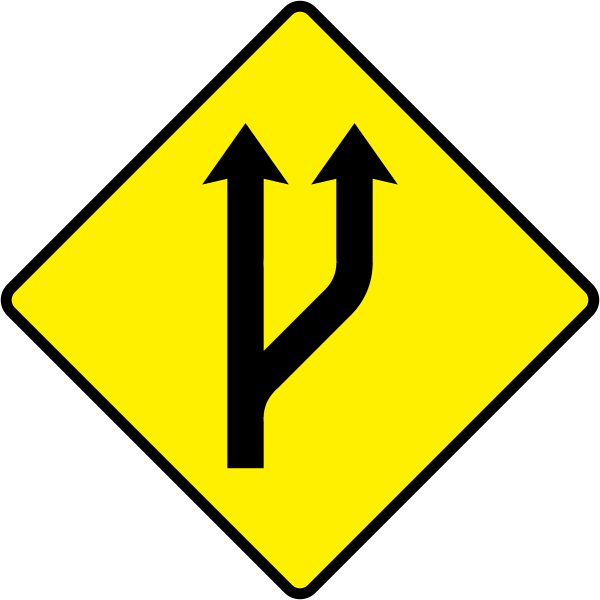
Merging/diverging traffic
Dual carriageway ends
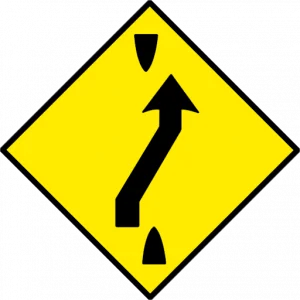
Traffic cross-over ahead
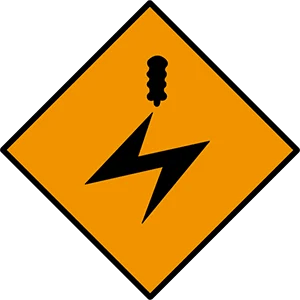
Overhead electric cables
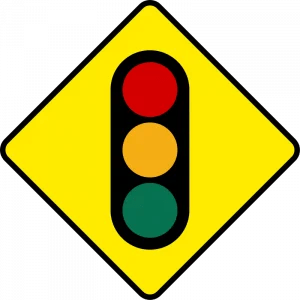
Traffic signals ahead
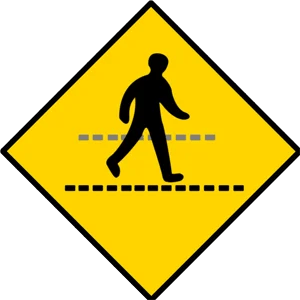
Pedestrian crossing ahead
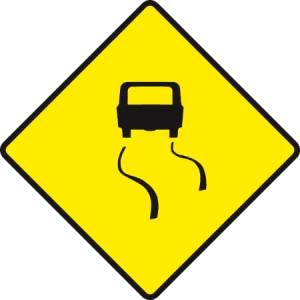
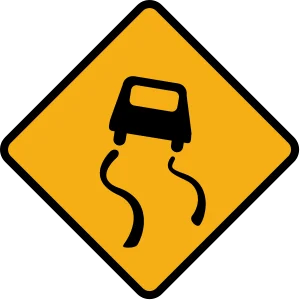
Slippery road ahead
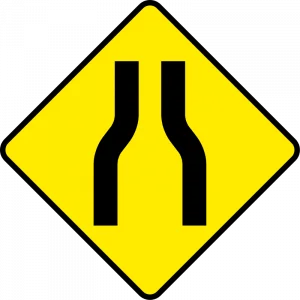
Road narrows on both sides
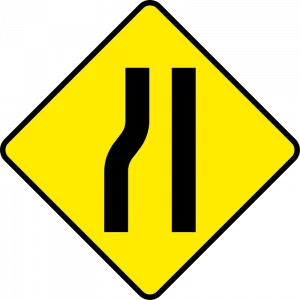
Road narrows from left
Road narrows from right
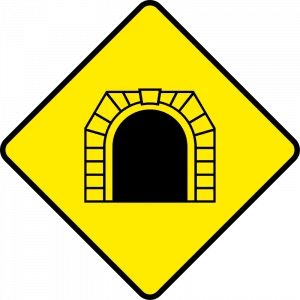
Tunnel ahead
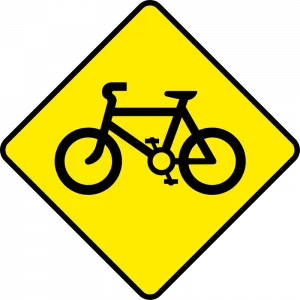
Cyclists
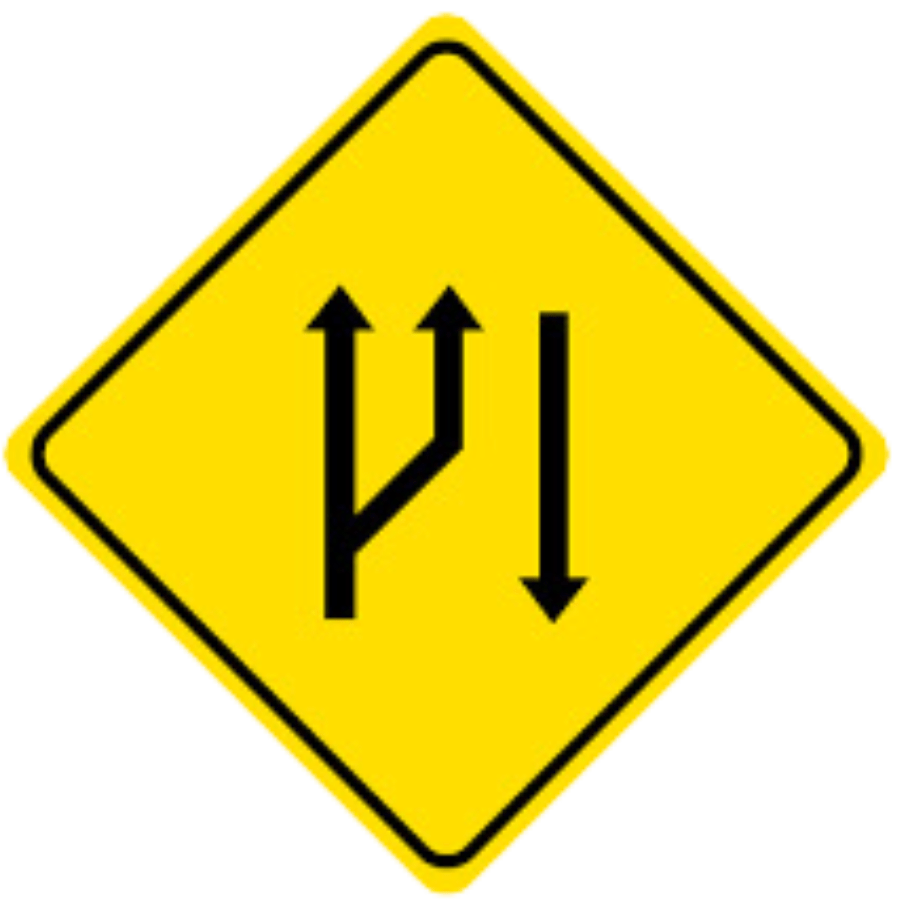
Start of a passing lane
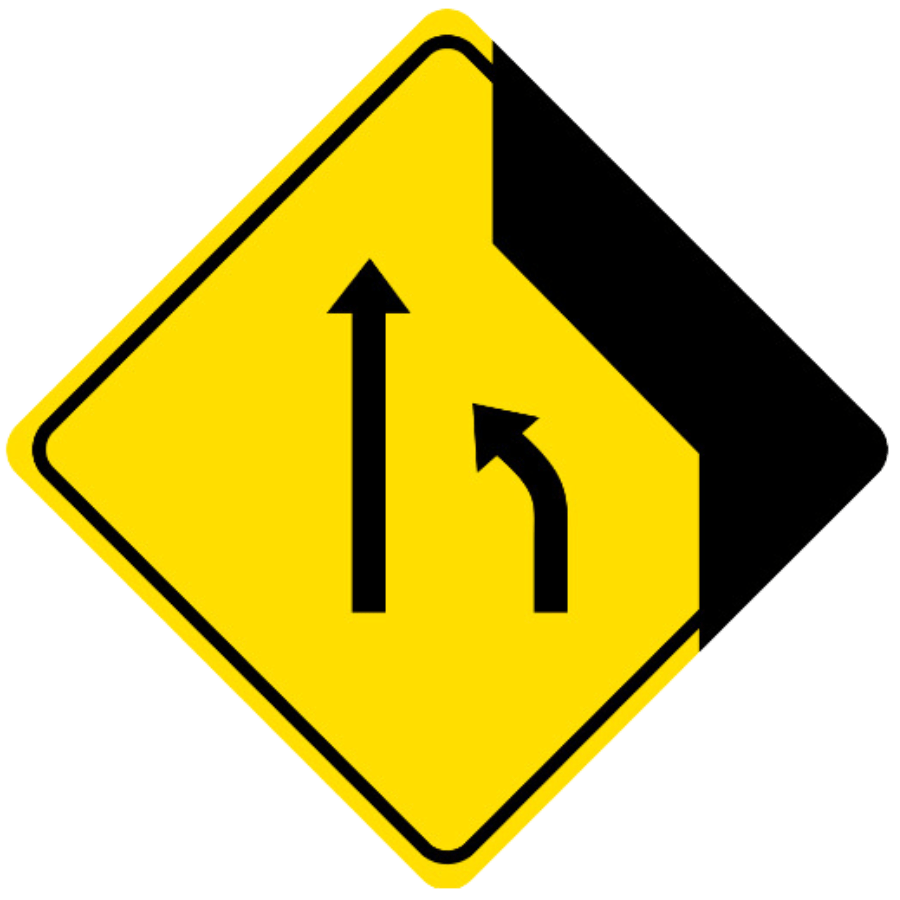
Lane loss
Start of a climbing lane
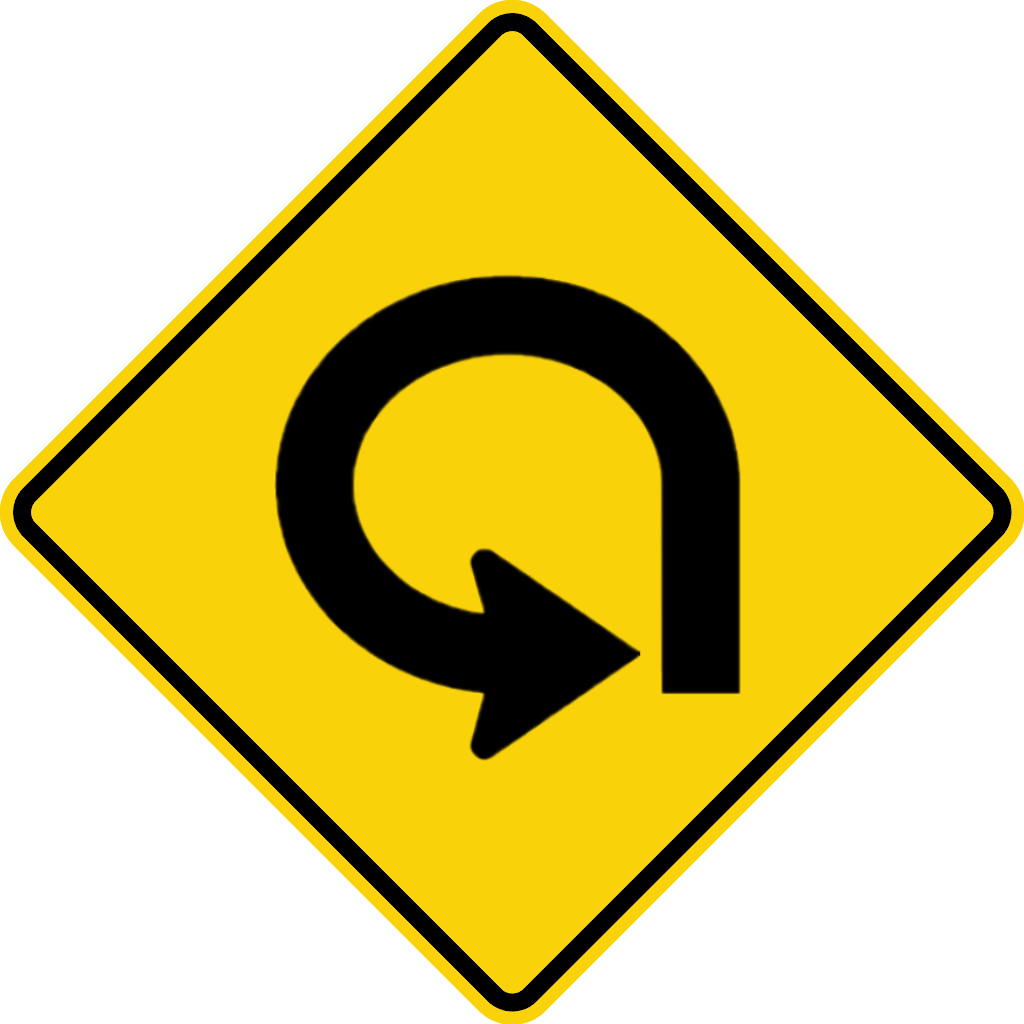
Loop road ahead
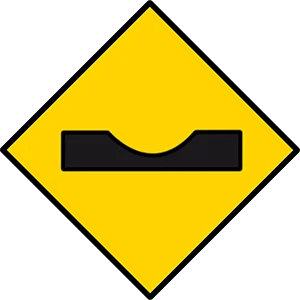
Sharp dip ahead
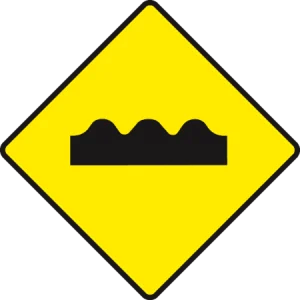
Series of bumps or hollows ahead
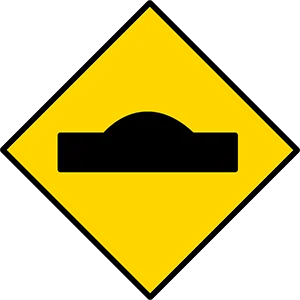
Sharp rise ahead – for example, hump-back bridge
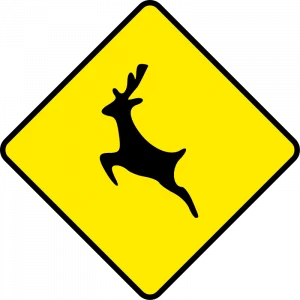
Deer or wild animals
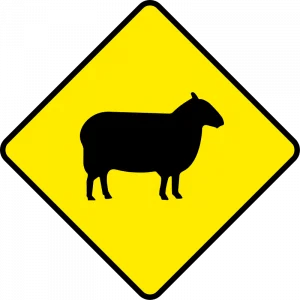
sheep
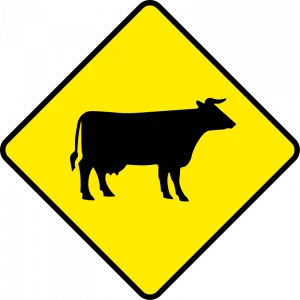
Cattle and farm animals
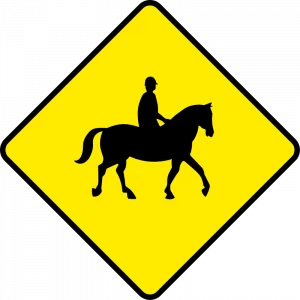
Accompanied horses and ponies
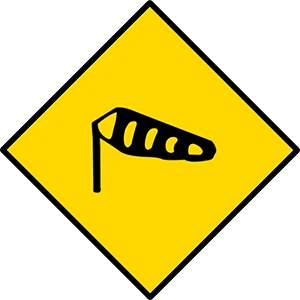
Crosswinds
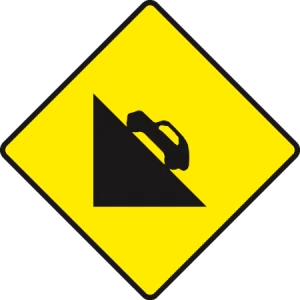
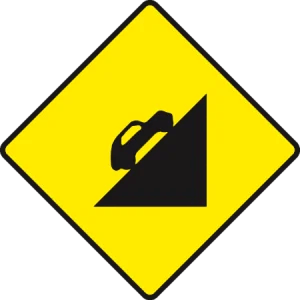
Steep descent ahead
Steep ascent ahead
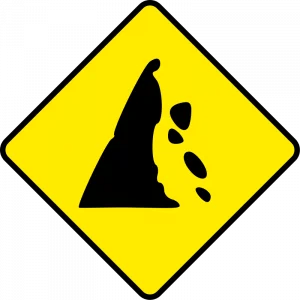
Danger of falling rocks
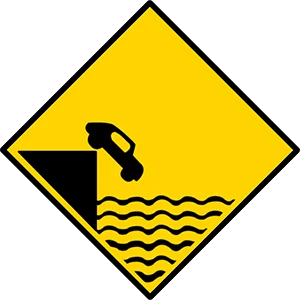
Unprotected quay, canal or river ahead
Low bridge ahead (height restriction shown)
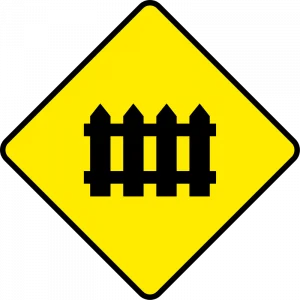
Level crossing ahead, guarded by gates or lifting barrier
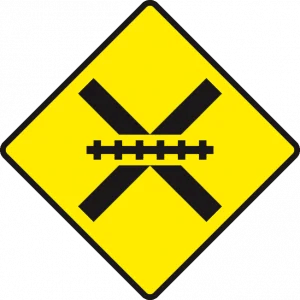
Level crossing ahead, unguarded by gates or lifting barrier
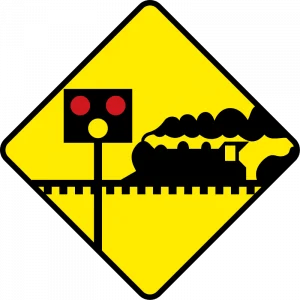
Level crossing ahead with lights and barriers
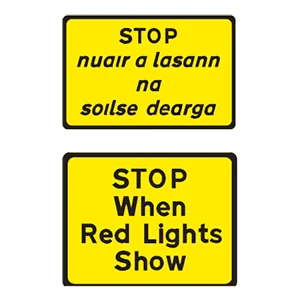
Stop when lights are red
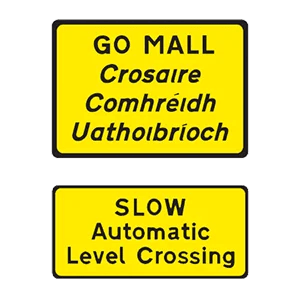
Automatic level crossing ahead
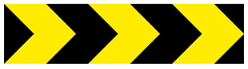
Chevron board (a sharp change of direction to the left)
Chevron board (a sharp change of direction to the right)

Warning signs for schools and children

School ahead
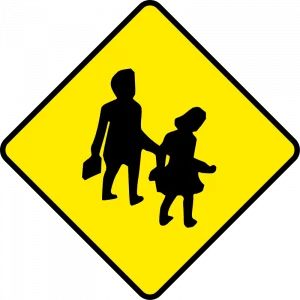
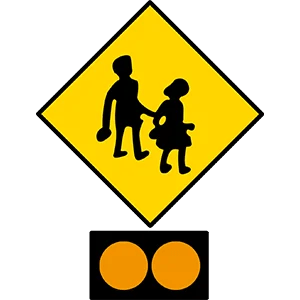
School children crossing ahead
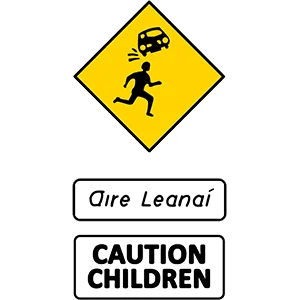
Children crossing (in residential area)

Tram signs

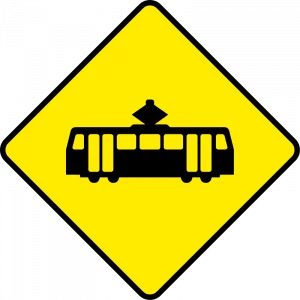
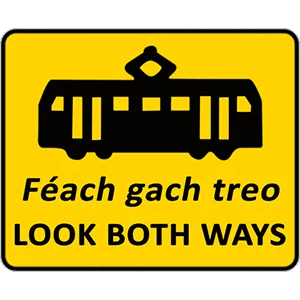
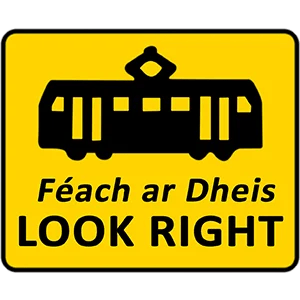
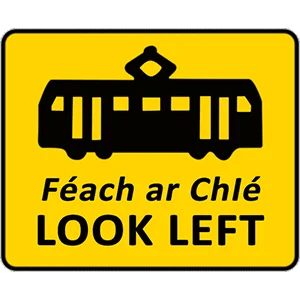
Tram lane crossing ahead
Tram lane warning signs for pedestrians
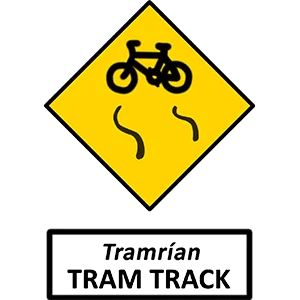
Slippery for cyclists

Warning signs for roadworks

This section includes the warning signs for roadworks. Like other warning signs, these are diamond or rectangular in shape and have a black border and black symbols or text. However, they are orange in colour instead of yellow.

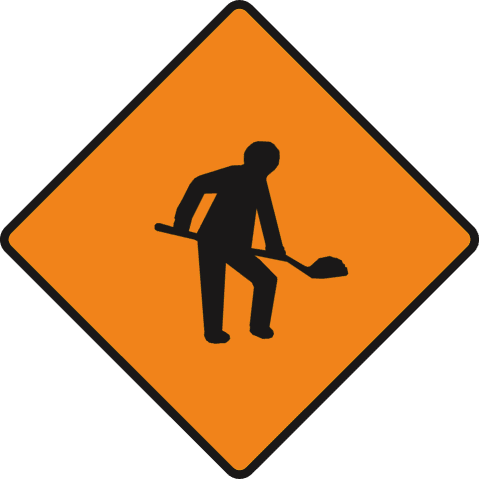
Roadworks ahead
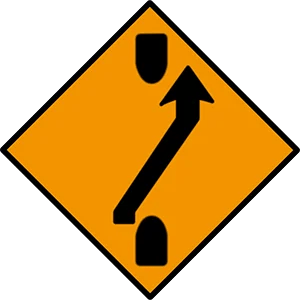
One-lane crossover (out)
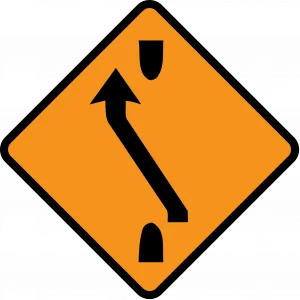
One-lane crossover (back)
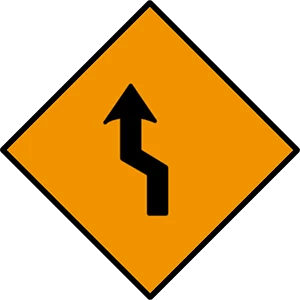
Move to left (one lane)
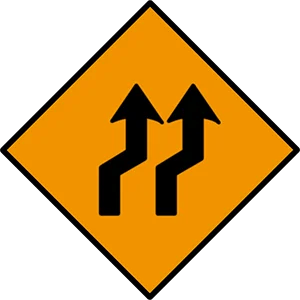
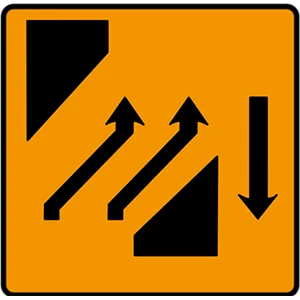
Move to left (two lanes)
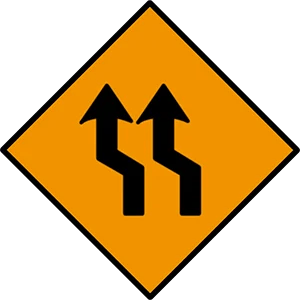
Move to right (two lanes)
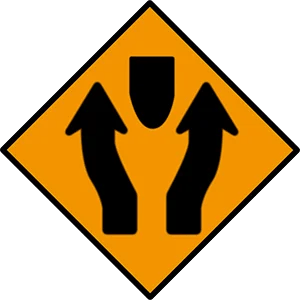
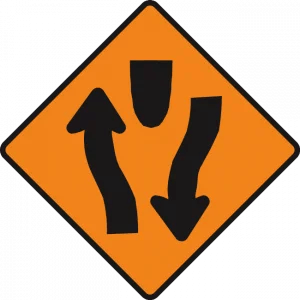
Obstruction between lanes
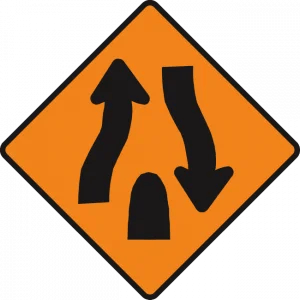
End of obstruction between lanes
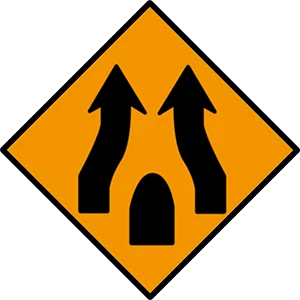
Start of central reserve or obstruction
End of central reserve or obstruction
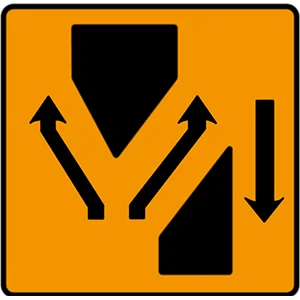
Lanes diverge at crossover
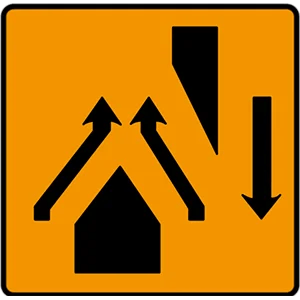
Lanes rejoin at crossover
Two-lanes crossover (back)
Two-lanes crossover (out)
Single lane (for shuttle working)
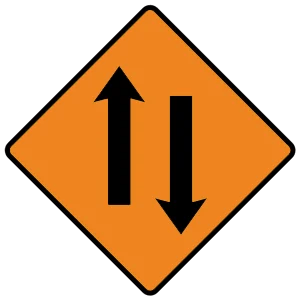
Two-way traffic
Road narrows from left
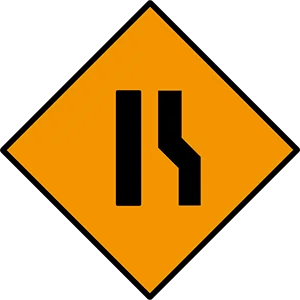
Road narrows from right
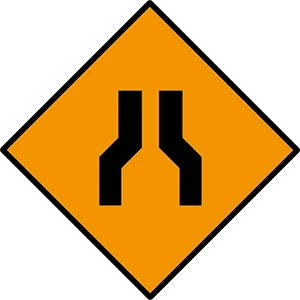
Road narrows on both sides
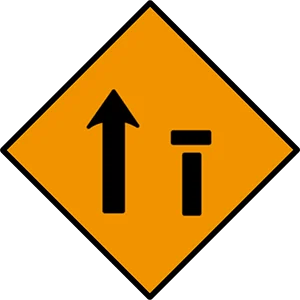
Offside lane (of two) closed
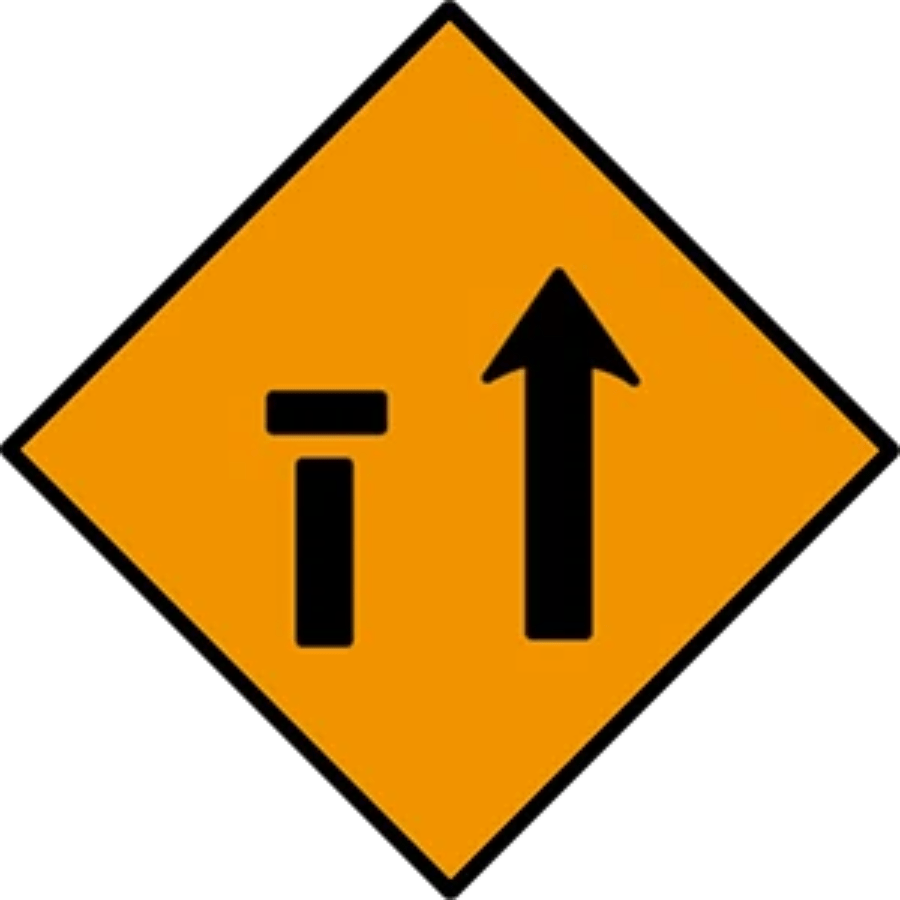
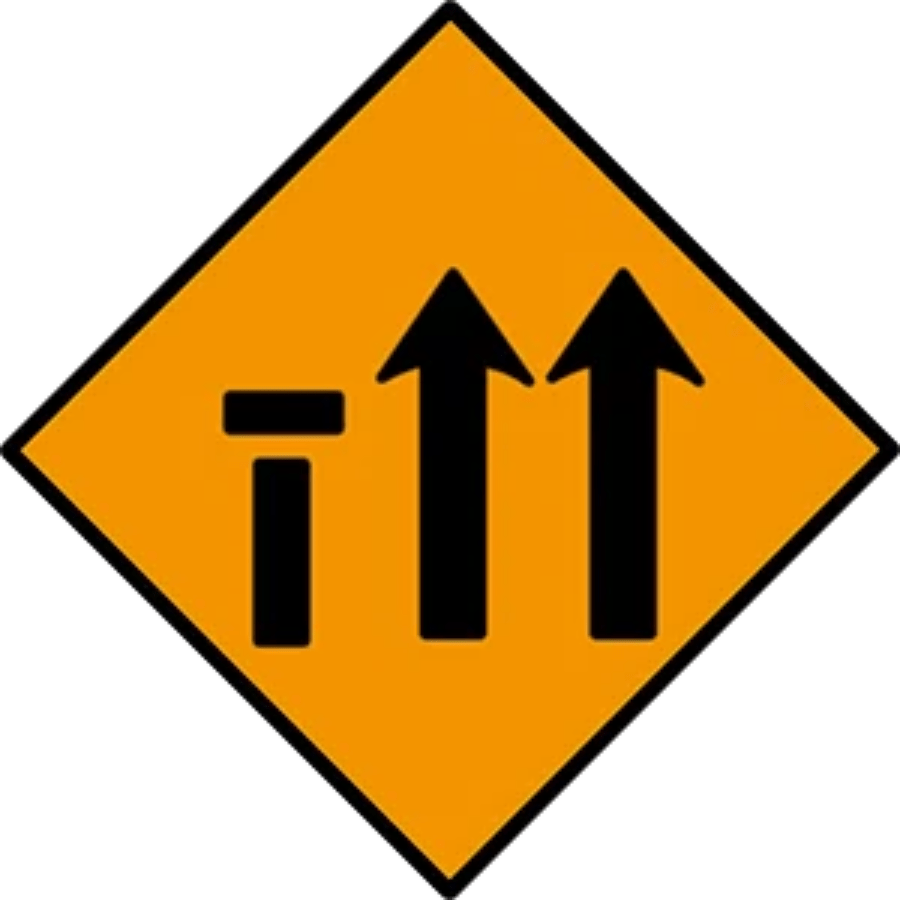
Nearside lane (of two) closed
Offside lane (of three) closed
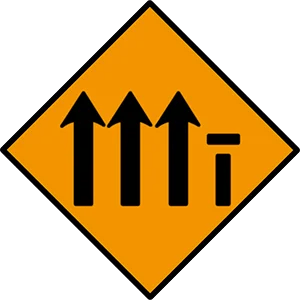
Nearside lane (of three) closed
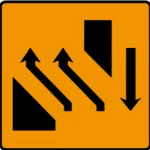
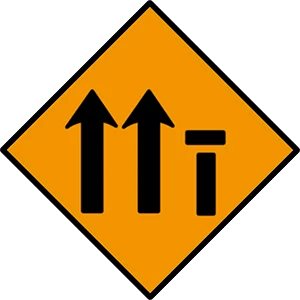
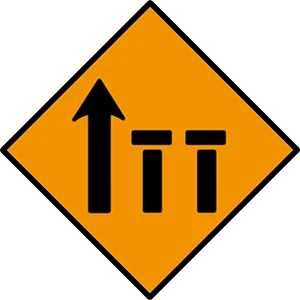
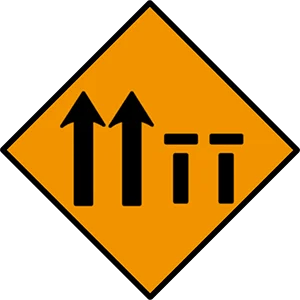
Two offside lanes (of three) closed
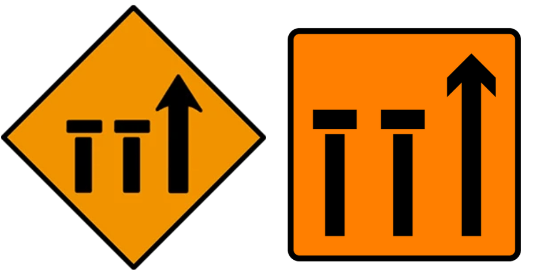
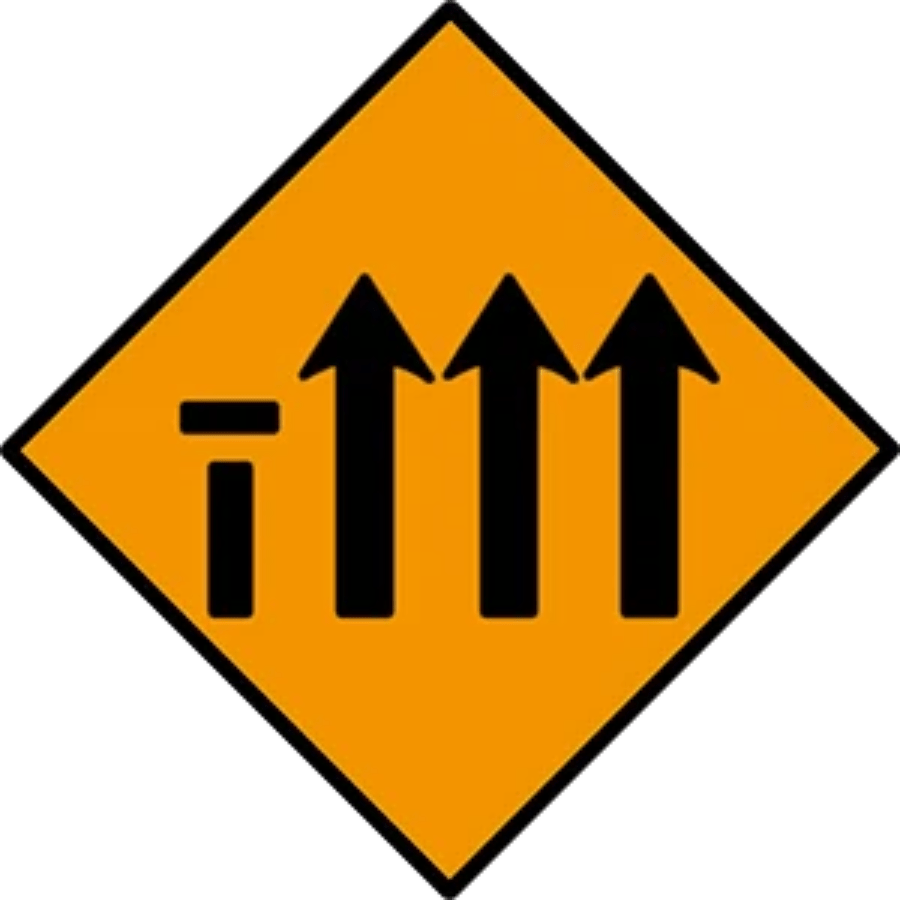
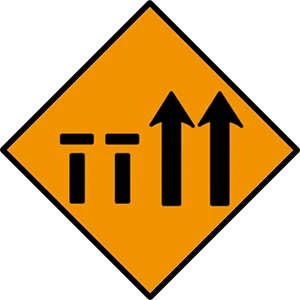
Two nearside lanes (of three) closed.
Two alternative styles
Offside lane (of four) closed
Nearside lane (of four) closed
Two offside lanes (of four) closed
Two nearside lanes (of four) closed
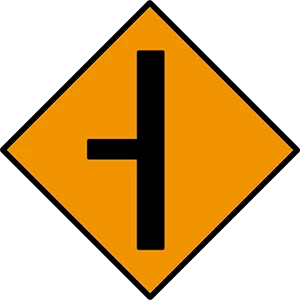
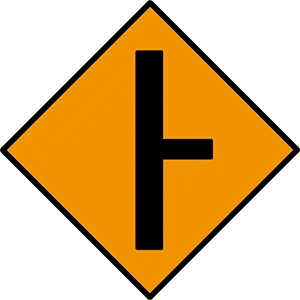
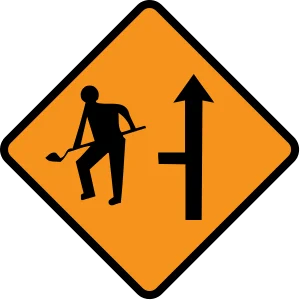
Side road on left
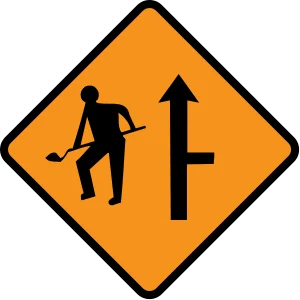
Side road on right
Site access on left
Site access on right
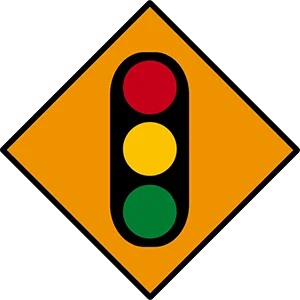
Temporary traffic signals ahead
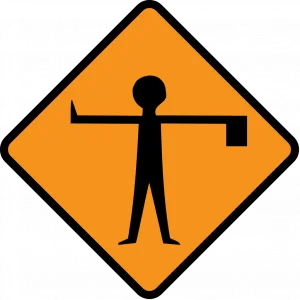
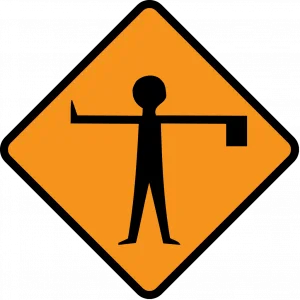
Flagman ahead
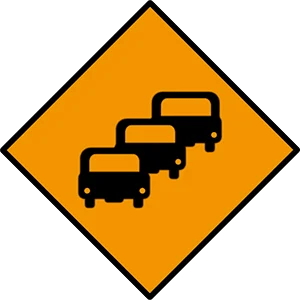
Queues likely
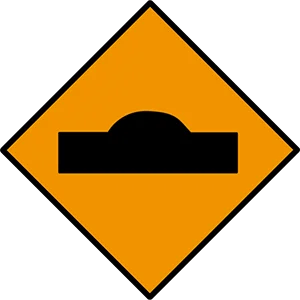
Hump or ramp
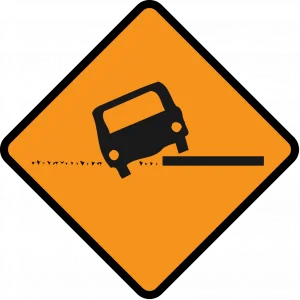
Uneven surface
Slippery road
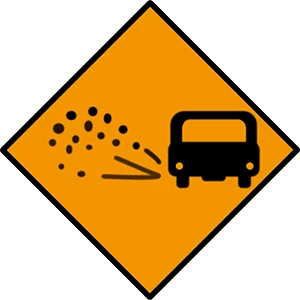
Loose chippings
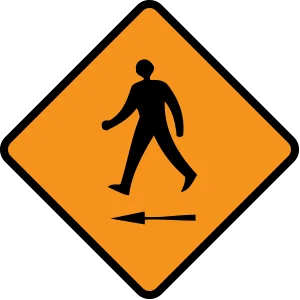
Pedestrians cross to left
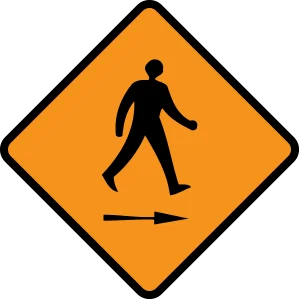
Pedestrians cross to right
Overhead electric cables
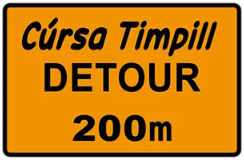
Detour ahead
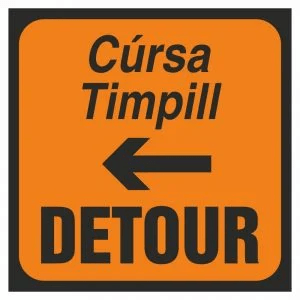
Detour to left
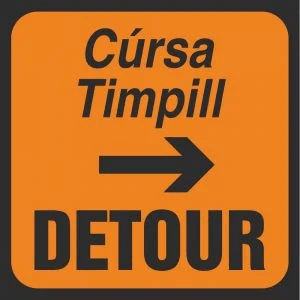
Detour to right
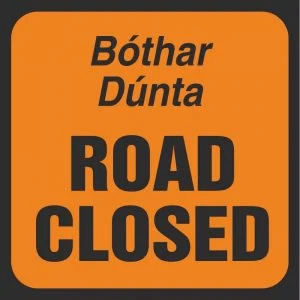
Road closed
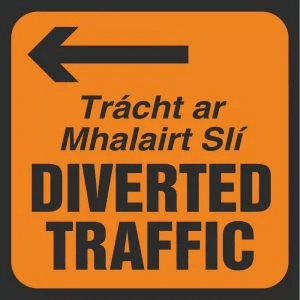
Diverted traffic left
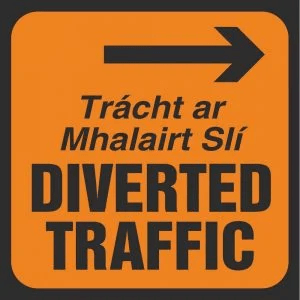
Diverted traffic right
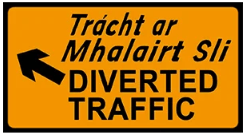
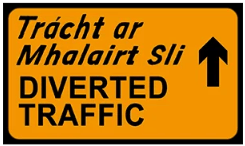
Diverted traffic
Diverted traffic
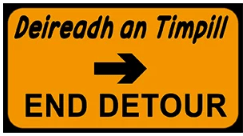
End of detour
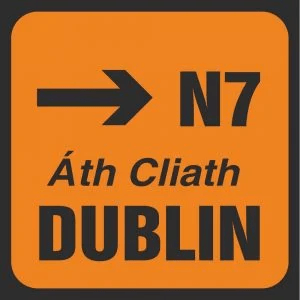
Detour destination

Information plates at roadworks

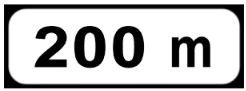
Distance
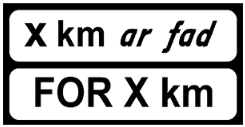
Length
Direction
Direction and distance
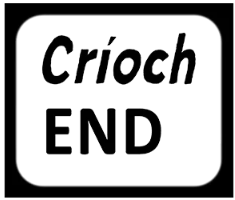
End
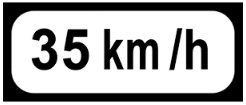
Cautionary speed
Slow
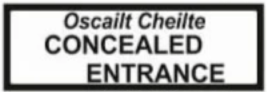
Concealed entrance
Type of works
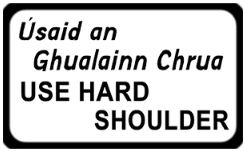
Use hard shoulder
Hard shoulder closed
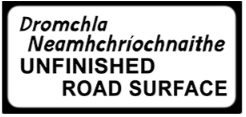
Unfinished road surface
Barrier board
Chevron board
Speed limit ahead

Manual traffic control sign at roadworks
Flagman ahead
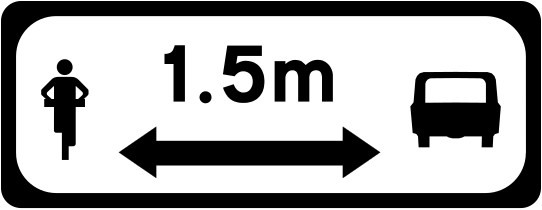
Keep 1.5 m distance from cyclists
Stop
Either form of Go or Téigh can be used

Information signs
This section includes road signs showing directions and the location of services or other places of interest to tourists.
Advance direction signs
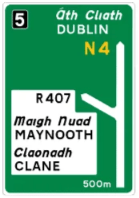
Motorway

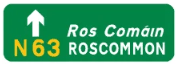
National road
National road
Regional road
Lane destination sign
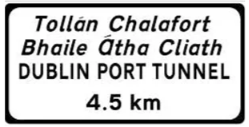
Dublin Port Tunnel ahead

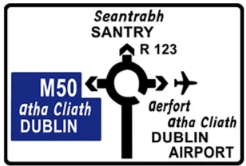
Direction signs (at junctions)
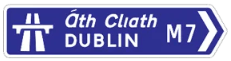
Motorway direction sign
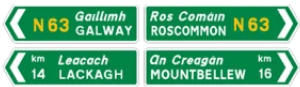
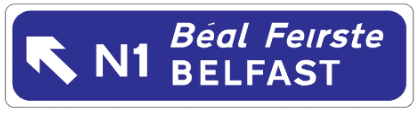
National road direction signs

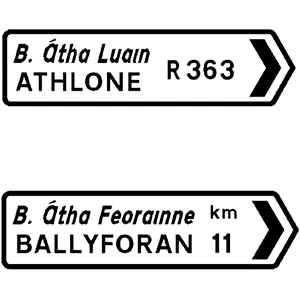
Regional road direction sign
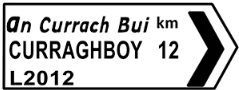
Local road direction sign
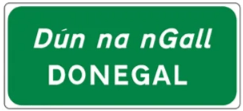
Town or village sign
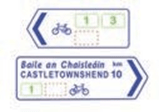
Cycle track information signs with numbers referring to mapped cycle routes
Slow lane sign
Cul-de-sac
Industrial estate symbol
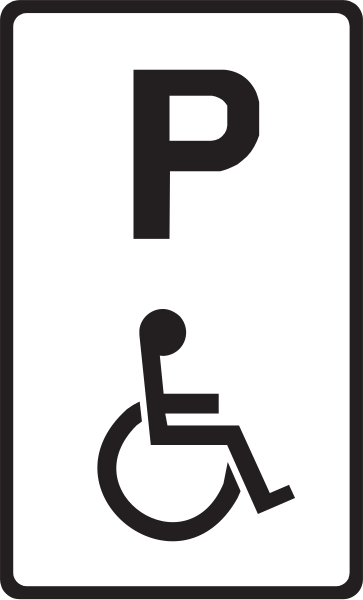
Disabled persons parking bay
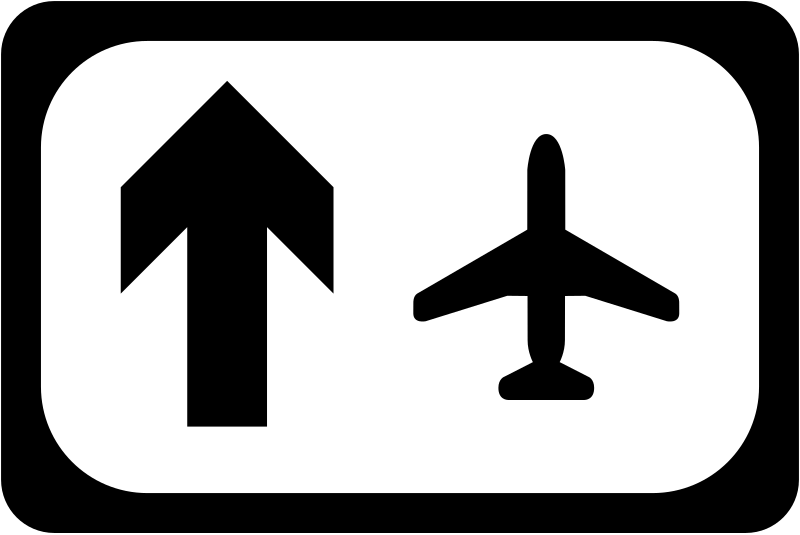
Airport symbol
Ferry symbol
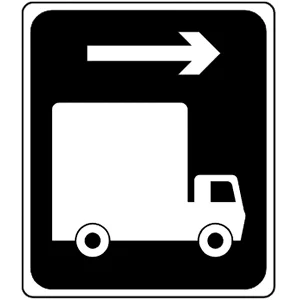
Alternative route for high vehicles
Lay-by ahead sign
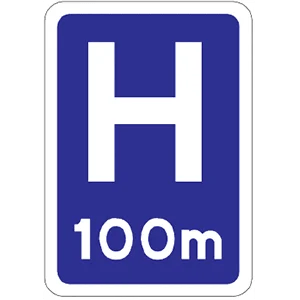
Hospital ahead sign
Lay-by sign
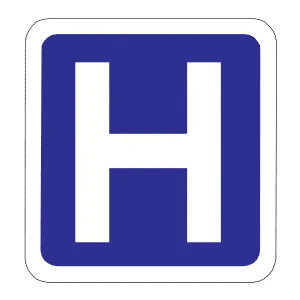
Hospital sign
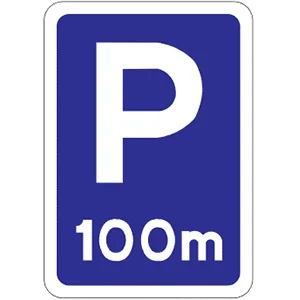
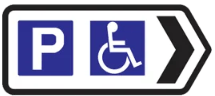
Car park with facilities for disabled persons
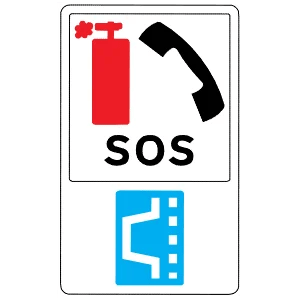
SOS lay-by
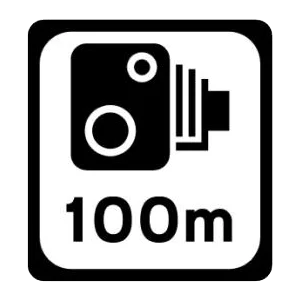
Speed camera
Speed limit change ahead
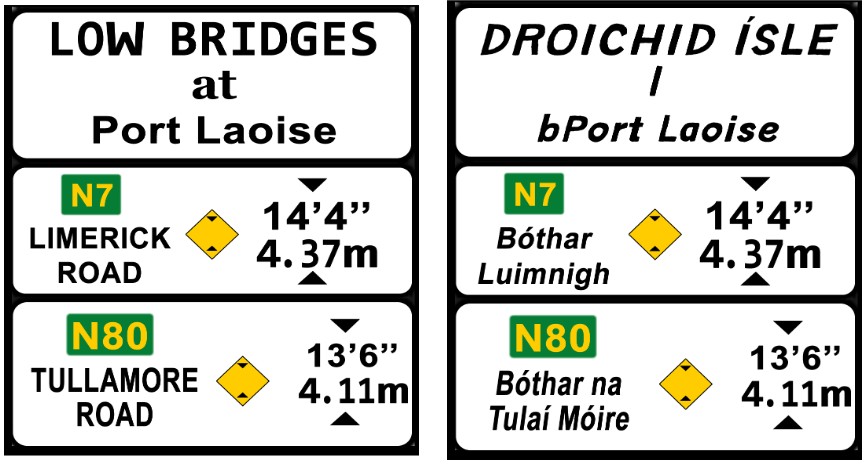
Advance information sign for low clearance
Alternative route for heavy vehicles
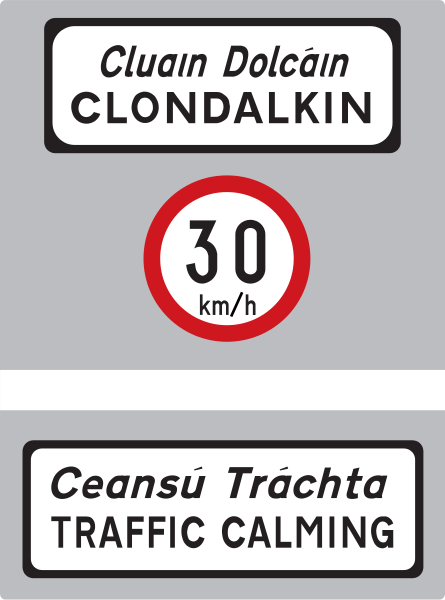
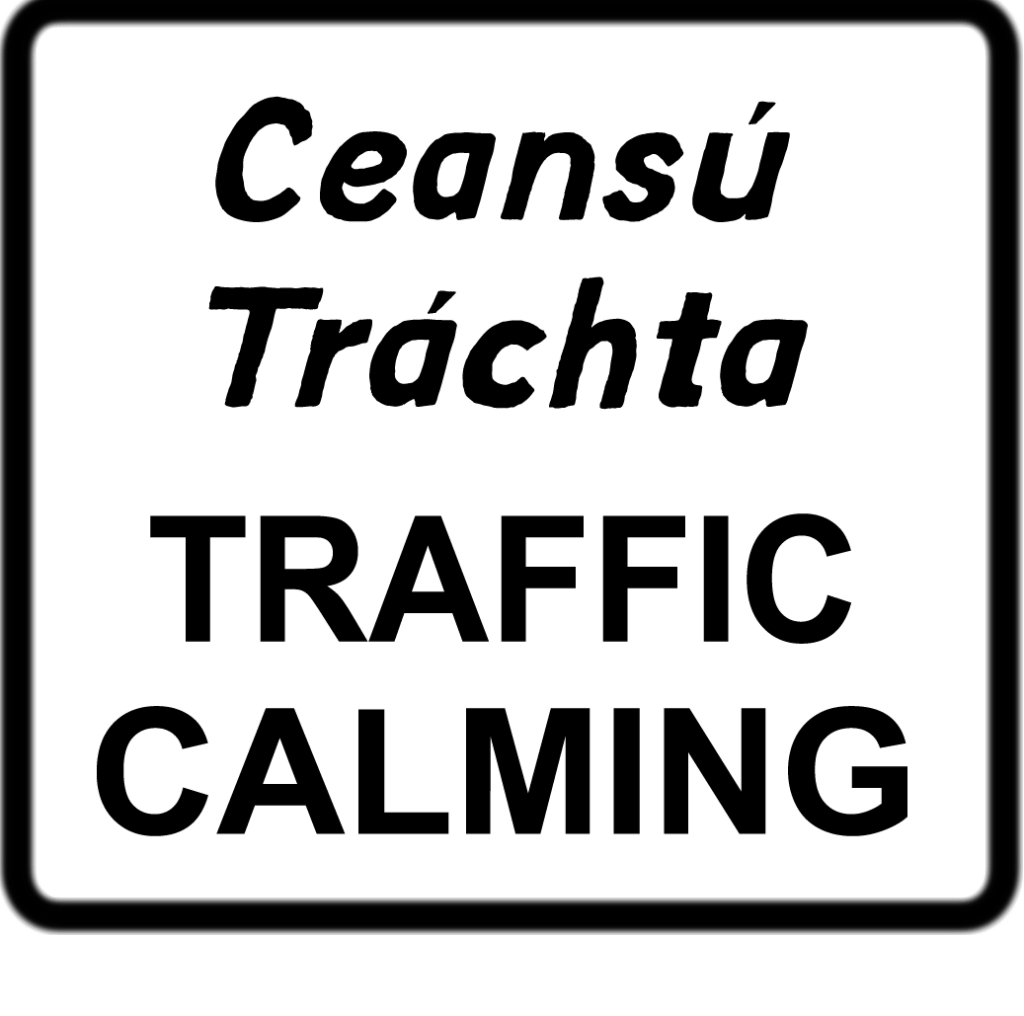
Traffic calming sign
Supplementary plate
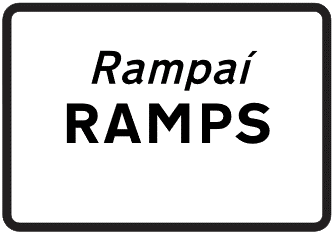
Ramps on road

Tourist information signs
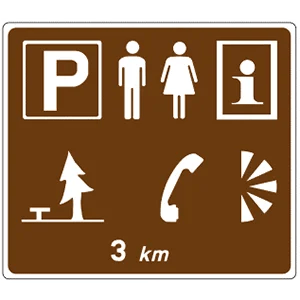
Advance sign for facilities in lay-by
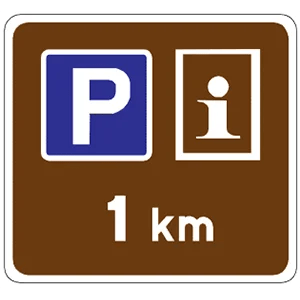
Advance sign for lay-by with tourism information
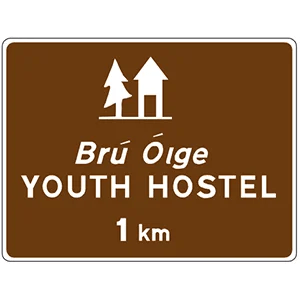
Sign for Óige youth hostels
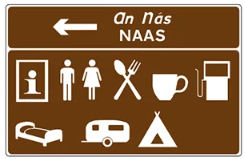
Advance direction to local services
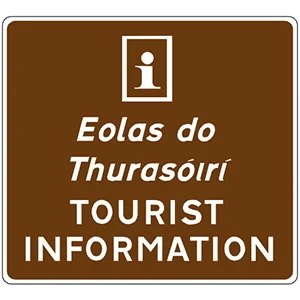
Signing to approved tourist information
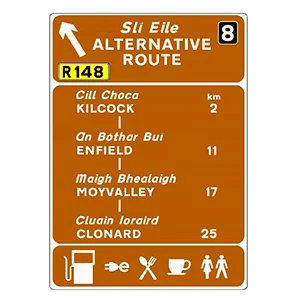
Alternative route off the motorway
Tourist advanced direction sign
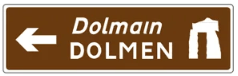
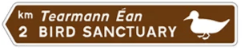
Tourist attraction direction sign
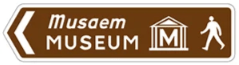
Pedestrian sign to a tourist attraction
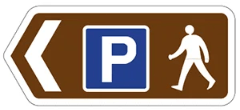
Pedestrian sign to a car park
Sign to approved tourist information points

Motorway signs

These signs are rectangular with blue backgrounds and white writing or symbols.

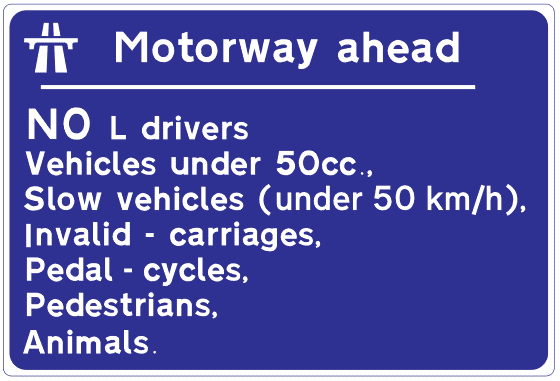
Motorway ahead
Motorway ahead
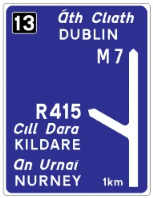
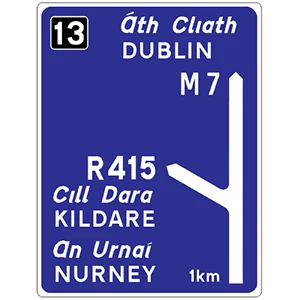
Advance direction sign
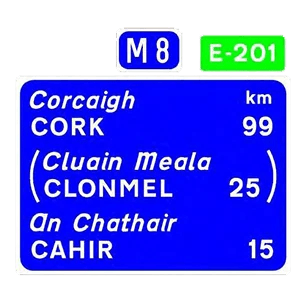
Route confirmatory sign with Euro Route marker plate
Entry to motorway
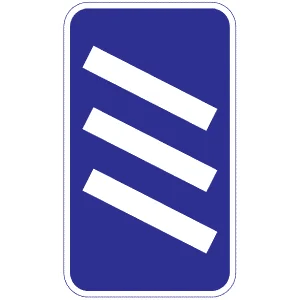
300m to next exit
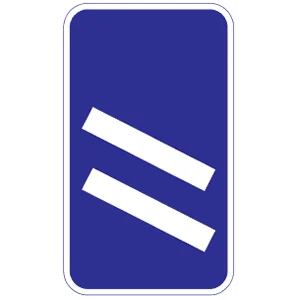
200m to next exit
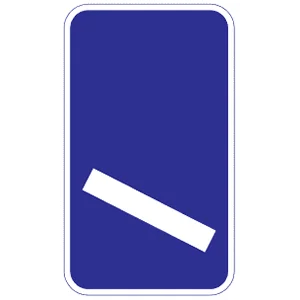
100m to next exit
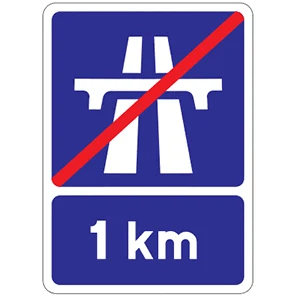
Motorway ends 1km ahead
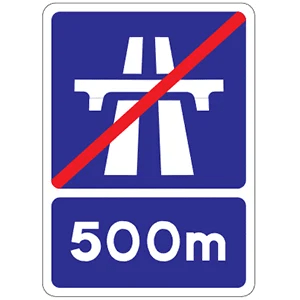
Motorway ends 500m ahead
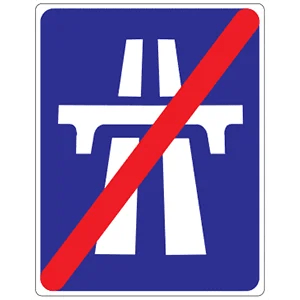
End of motorway
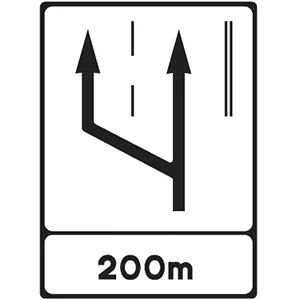
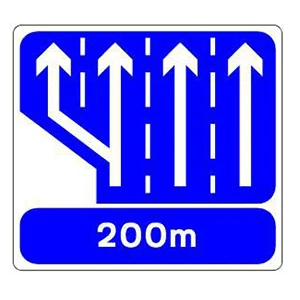
Typical lane gain sign
Advance direction sign for destination
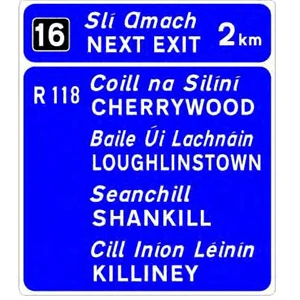
Typical 2km next exit sign
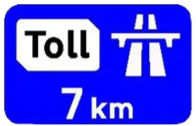
Toll plaza ahead
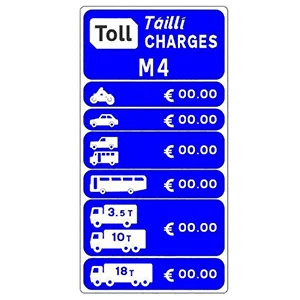
Toll charges
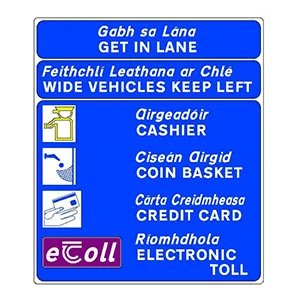
Toll plaza information sign
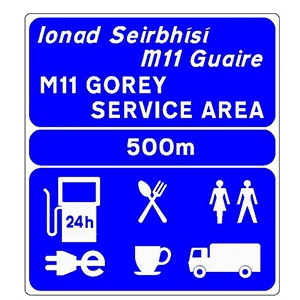
Motorway service area information sign
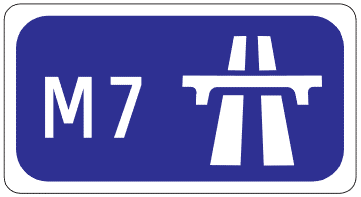
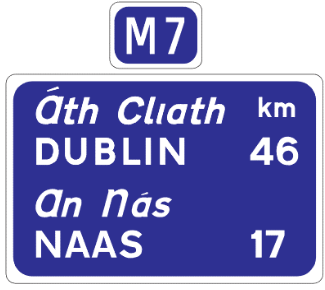
Route confirmatory sign for M7
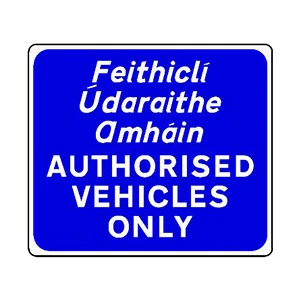
Authorised vehicles only
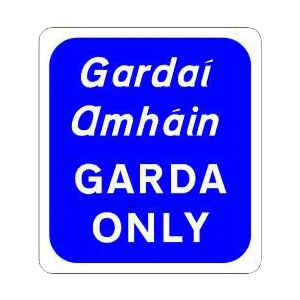
Garda only

Posted

in

by

Tags: