Introduction
A seizure refers to a temporary disturbance or change in neurological function caused by abnormal electrical activity from neurons in the brain. Seizures are broadly divided into two main categories: epileptic and non-epileptic seizures. Epileptic seizures occur due to intrinsic abnormal firing of brain neurons, while non-epileptic seizures are triggered by external or secondary factors such as drug exposure, fever-related illness, or traumatic brain injury.
Pathophysiology and Statistics
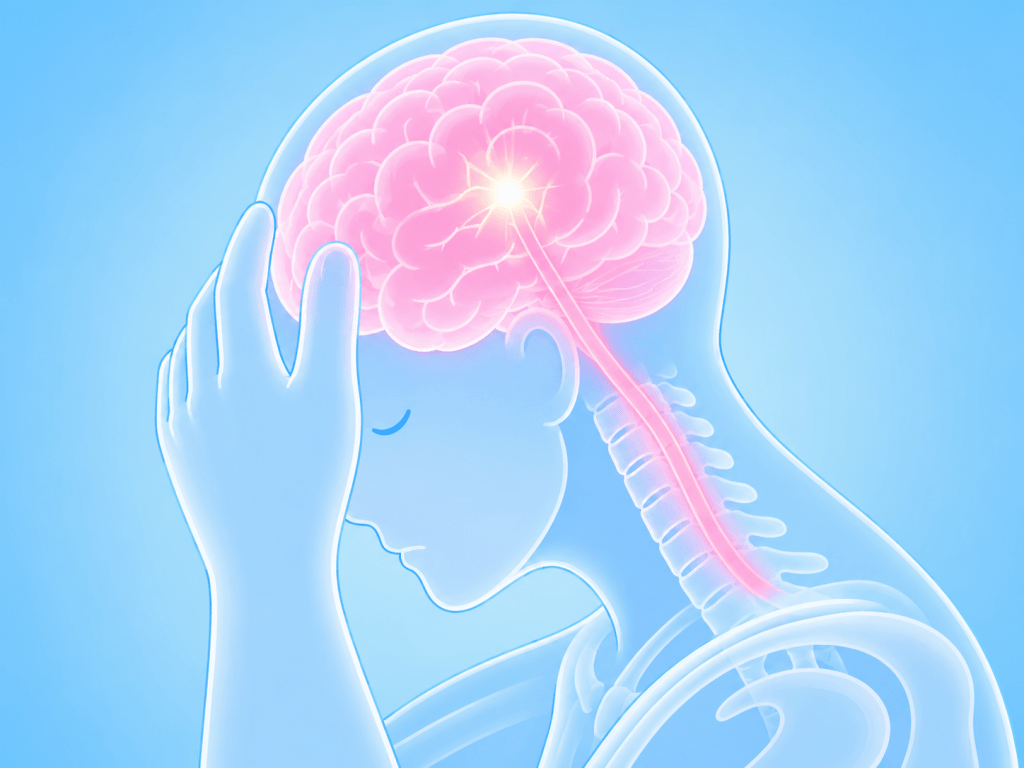
Approximately 1% of the global population will experience an epileptic seizure during their lifetime. Under normal conditions, brain activity is regulated by a controlled balance between excitatory and inhibitory signals. In seizure conditions, this balance becomes disrupted, leading to uncontrolled or excessive neuronal firing. This abnormal electrical activity interferes with normal brain function and produces seizure manifestations.
Types of Seizures
Seizures are commonly classified into three major categories: generalized, focal, and unknown-onset seizures.
Generalized seizures involve both hemispheres of the brain simultaneously. They may present with either motor or non-motor features. Motor generalized seizures often include tonic-clonic activity, characterized by muscle stiffening followed by rhythmic jerking movements. Non-motor generalized seizures, such as absence seizures, may present as brief staring spells, subtle muscle twitches, or eyelid fluttering.
Focal seizures originate in a specific region of the brain and may remain localized or spread to other areas. These seizures can present with motor symptoms such as twitching, spasms, or repetitive movements, or non-motor symptoms such as altered emotions, behavioral changes, or impaired awareness. The clinical presentation may vary depending on the brain region involved and may shift during the event.
Unknown-onset seizures describe seizure activity where the origin cannot be clearly determined at the time of assessment, though the presentation may resemble either focal or generalized seizure types.
Prehospital Causes and Presentation
Seizures may develop from several underlying causes, including:
- Epilepsy, often related to genetic or idiopathic factors
- Traumatic injury, where damage to the brain or brainstem disrupts normal neuronal activity
- Chemical or substance-related causes, including recreational drug use that affects brain electrical stability
- Pregnancy-related conditions, such as eclampsia, commonly associated with hypertension and other risk factors
Prehospital Seizure Management
Basic Life Support (BLS) Care
Initial care focuses on protecting the patient and maintaining airway safety:
- Position the patient on their side to reduce aspiration risk if vomiting occurs
- Protect the patient from injury and remove nearby hazardous objects
- Cushion the head when possible
- Time the duration of the seizure
- Remove glasses and other objects that may cause injury
- Check for medical identification or seizure history indicators
Advanced Life Support (ALS) Interventions (follow local protocols)
If ALS support is available:
- Administer midazolam 10 mg IM for active seizure control
- If IV access is established, give midazolam 2.5–5 mg IV
- Continuously monitor respiratory status after medication administration
If eclampsia is suspected, contact online medical control (OLMC) for possible administration of magnesium sulfate, typically 4 g IV infused over 15–20 minutes, depending on protocol guidance.
Transport Decision
All patients experiencing a first-time seizure should be transported for further evaluation. After seizure cessation, transport priority (emergent or non-emergent) depends on suspected cause, clinical condition, transport time, and medical history.
Patients experiencing status epilepticus (a seizure lasting longer than 5 minutes or not responding to treatment) require emergent transport. In some cases, transport may not be necessary if the patient fully regains orientation, has a known seizure disorder, is compliant with prescribed anti-seizure medication, has appropriate follow-up care, and the event is consistent with their typical seizure pattern.
 Apperture Labs